
Praça XV de Novembro
Step back in time at Praça XV de Novembro, the historic heart of Rio de Janeiro, where the past and present converge in a captivating dance. This broad open square, facing the serene waters of Guanabara Bay, has been a witness to centuries of history, from royal and imperial arrivals to the bustling life of modern commuters. On weekends, it transforms into a vibrant hub for the Feira de Antiguidades, an open-air antiques and vintage market that offers a unique glimpse into Rio's rich cultural tapestry. Whether you're a history buff, a shopaholic, or simply a traveler with a curious spirit, Praça XV de Novembro promises an unforgettable journey through time and tradition.
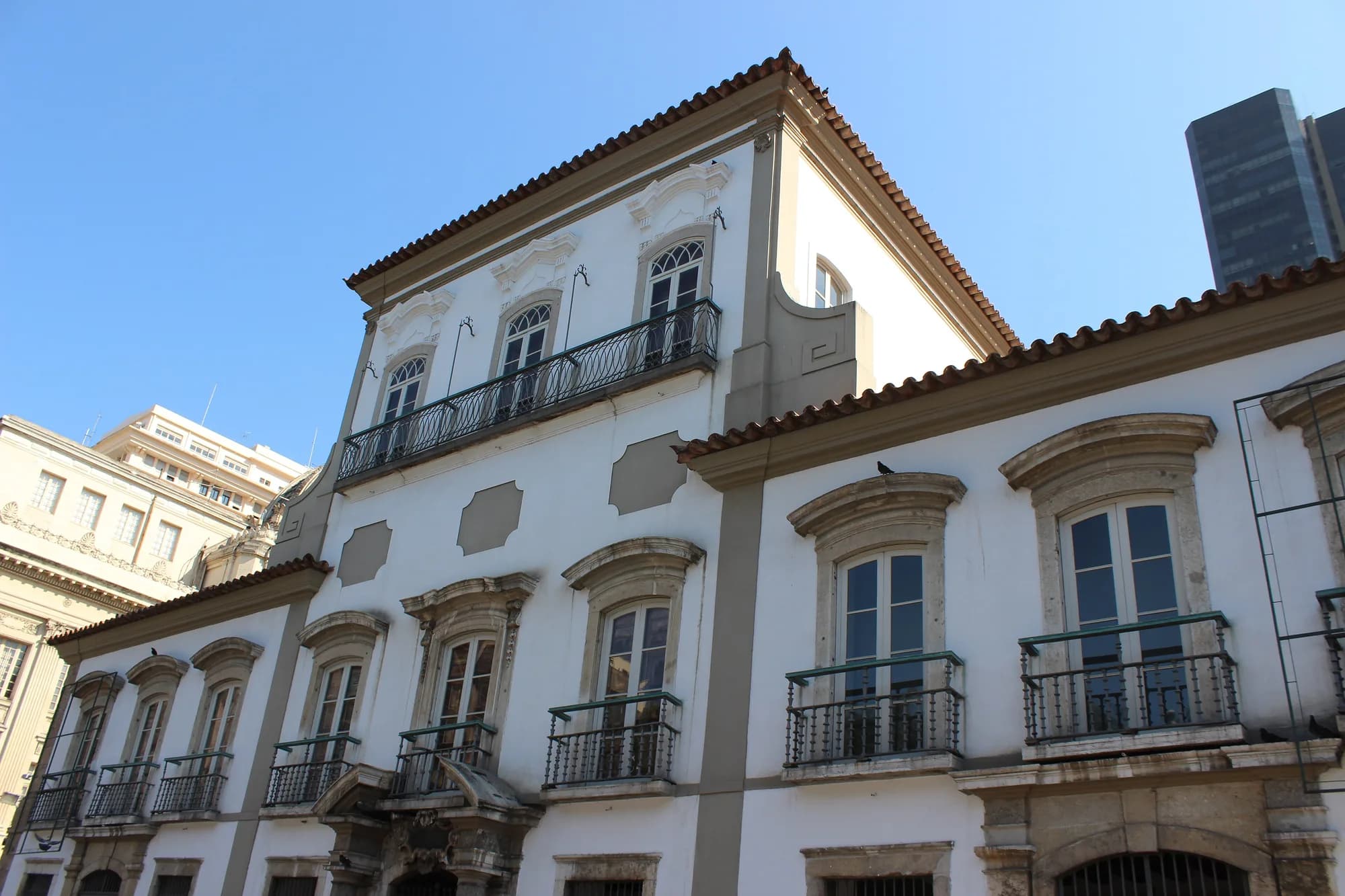
Praça XV de Novembro is the historic heart of Rio de Janeiro, a broad open square facing Guanabara Bay. For centuries it was the city's front door: royal and imperial arrivals, merchants and ordinary travellers all came ashore here, and it is still the departure point for ferries to Niterói and Paquetá. The square is framed by the colonial Paço Imperial, the Arco do Teles, the Tiradentes Palace and the old ferry terminal. Its monuments include the 1789 Chafariz do Mestre Valentim, the 1894 monument to General Osório, the equestrian statue of Dom João VI (a 1965 gift from Portugal) and the statue of João Cândido, unveiled in 2007. On weekdays it is a busy crossroads for office workers and commuters. On Saturday mornings it fills with the Feira de Antiguidades, an open-air antiques and vintage market. A short walk away, the cobbled Travessa do Comércio and Rua do Ouvidor offer bars, cafés and old churches, which makes this an easy and rewarding start for a walk through Rio's historic centre.
History
The square has changed names many times: Largo do Carmo, Terreiro do Paço and Largo do Paço in colonial times, Praça D. Pedro II from 1870, and Praça XV de Novembro after the Proclamation of the Republic on 15 November 1889. It was long the city's main landing point. Until the Valongo Wharf opened in the 1770s, it was also where enslaved Africans were brought ashore in Rio, a painful part of the square's story.
The Governors' House, now the Paço Imperial, was built here in the 1740s. When the Portuguese court moved to Rio in 1808 it became the royal palace, and later the seat of the Brazilian Empire, with events such as the 1822 Dia do Fico linked to it. The Chafariz do Mestre Valentim, inaugurated in 1789, supplied water to the city for generations. In 1834 the first steam ferry left from here for Niterói, and in 1889 part of the imperial family left for exile by ship from this same waterfront. The General Osório monument followed in 1894, and the equestrian statue of Dom João VI in 1965 for the city's 400th anniversary.
Fun Facts
- The Paço Imperial was reportedly the first building in Rio to have glass windows.
- The first steam ferry to Niterói left from this square in 1834, and the ferry terminal is still here.
- The Chafariz do Mestre Valentim dates from 1789 and was designed by Mestre Valentim, one of colonial Brazil's greatest artists.
- The monument to General Osório (1894) is often described as the first monument of the Brazilian Republic.
- Every Saturday the square hosts the Feira de Antiguidades, a long-running antiques and vintage market.
- Local legend says the Arco do Teles is haunted by Bárbara Onça, a notorious figure of colonial Rio.
Guide Tips
- Go on a Saturday morning (about 6:00-15:00) to catch the Feira de Antiguidades; arrive early for the best finds and cooler weather.
- Visit the Paço Imperial, Arco do Teles, Tiradentes Palace, and the old ferry terminal.
- Check out the Chafariz do Mestre Valentim, the monument to General Osório, and the equestrian statue of Dom João VI.
- Take a stroll down the cobbled Travessa do Comércio and Rua do Ouvidor for a taste of Rio's historic charm.
Opening Hours
Open-air, always accessible. Feira de Antiguidades: Saturdays, 6:00-15:00.