
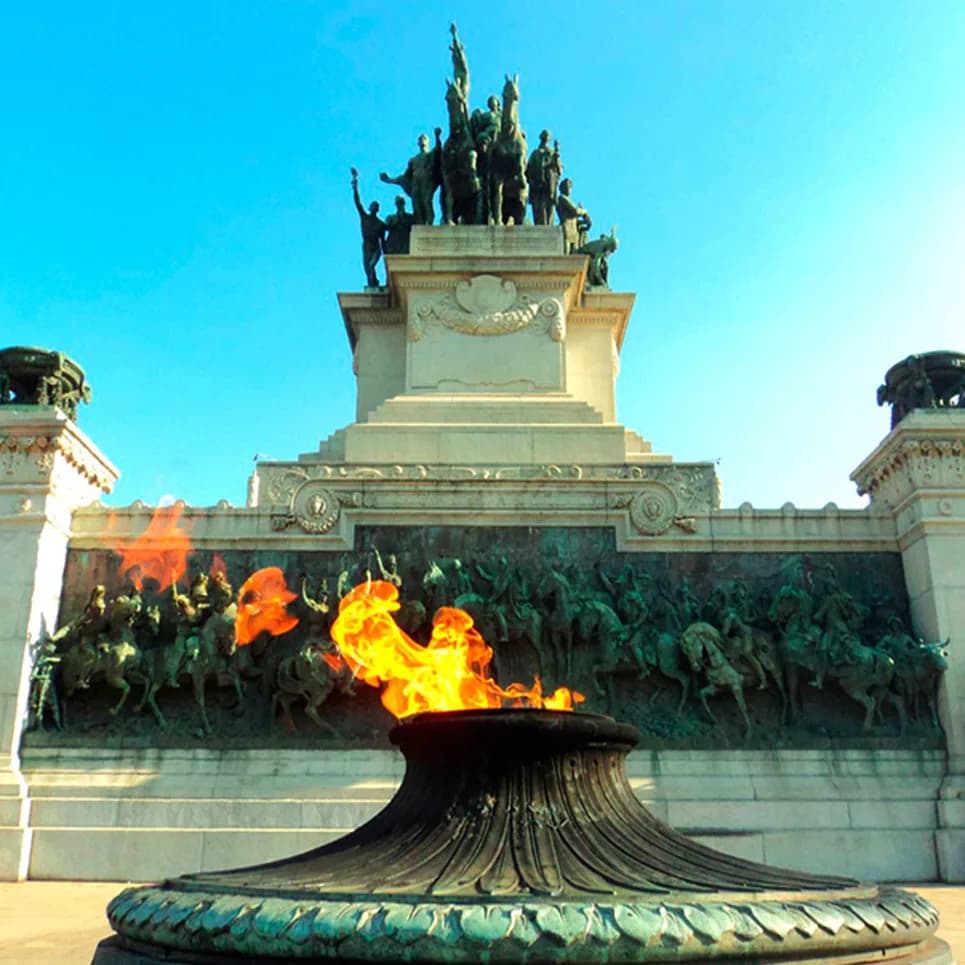
Monumento da Independência
Imagine yourself standing at the very spot where Brazil declared its independence, surrounded by a grand monument that tells the story of this pivotal moment in history. The Monumento à Independência in Ipiranga, São Paulo, is not just a historical landmark but a vibrant hub of local culture and activity. With its impressive sculptures, the crypt of Dom Pedro I, and the lively events that often take place around it, this monument offers a unique glimpse into Brazil’s past and present. Whether you’re a history buff or simply looking to soak up the local atmosphere, a visit here is a must.
The Monumento à Independência is a grand monument located in Ipiranga, near the site where Brazil declared independence in 1822.
History
The Monumento à Independência was built to honor the moment when Dom Pedro I proclaimed Brazil’s independence from Portugal on September 7, 1822, near the banks of the Ipiranga River. The monument was inaugurated in 1922 during the 100th anniversary celebrations of Brazilian independence and became a national symbol of freedom and nation-building. Its sculptures represent important historical figures and scenes connected to Brazil’s independence movement, while the crypt beneath the monument houses the remains of Dom Pedro I and his wives.
Fun Facts
- The large sculptures show soldiers, dragons, and historical characters connected to Brazil’s independence movement.
- The remains of Dom Pedro I are buried inside the monument’s crypt, making it both a memorial and a royal mausoleum.
- The wide open area around the monument is often used by locals for skating, biking, and cultural events.
Guide Tips
- On Sundays and holidays, there may be street fairs near the Monumento à Independência featuring local food, handicrafts, and sometimes live music.
Opening Hours
Mon-Sun: 5:00 AM - 8:00 PM