
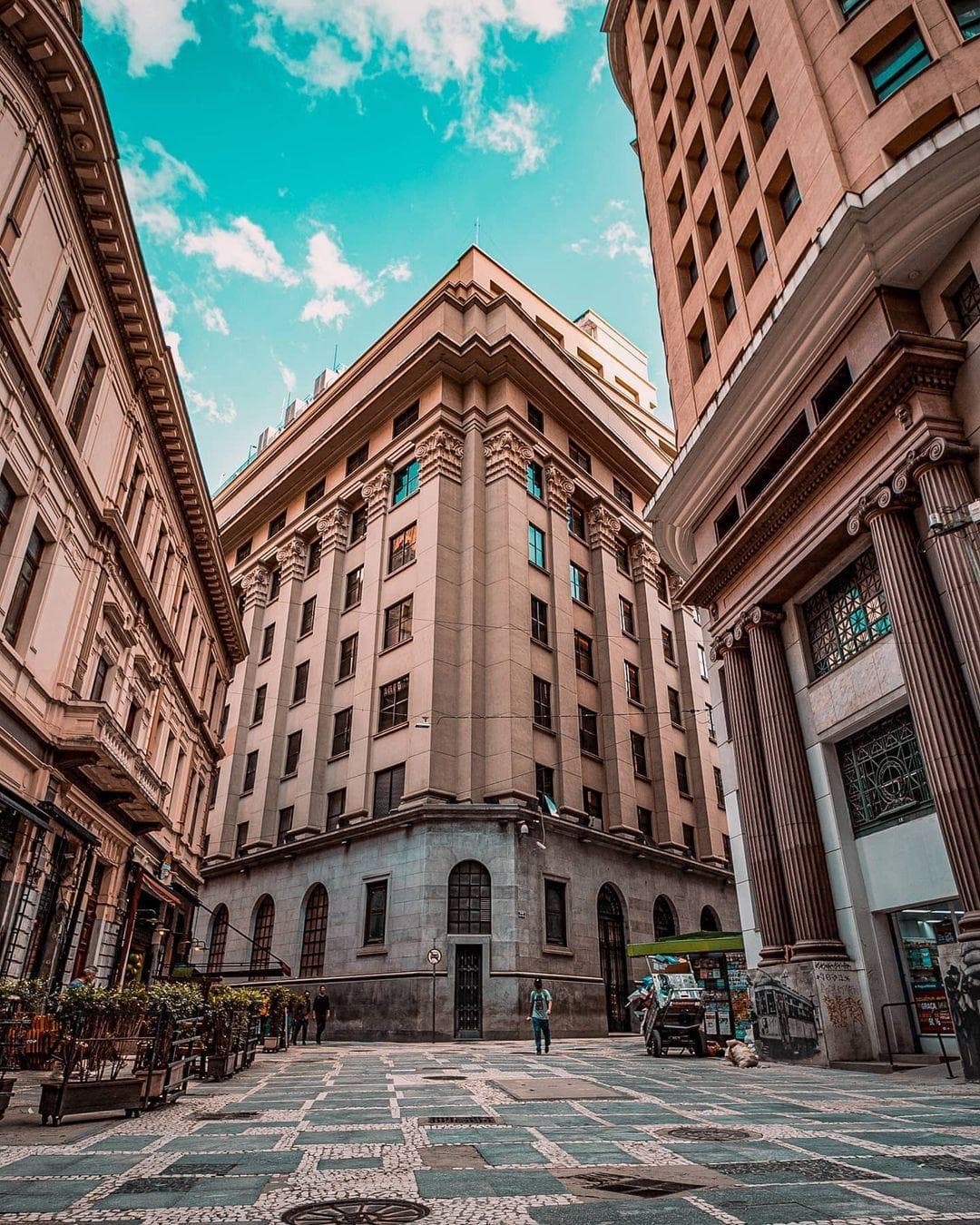
Coffee Square (Largo do Café)
Step back in time at Coffee Square, the historic heart of São Paulo's coffee trade. Once the epicenter of the global coffee market, this square was where fortunes were made and Brazil's coffee legacy was born. Stroll through the elegant buildings that once housed banks, insurance companies, and coffee merchants, and imagine the bustling activity that shaped São Paulo's economic landscape. Today, Coffee Square stands as a testament to the industry that transformed this city into a financial powerhouse. Whether you're a history buff or a coffee enthusiast, this square offers a unique glimpse into the past, where every corner tells a story of prosperity and innovation.
Largo do Café is a small square with enormous historical significance. During the late 19th and early 20th centuries, this area was the beating heart of the global coffee trade. At the time, Brazil produced around 70–80% of the world's coffee, and much of that coffee was bought, sold, financed, and exported from this very neighborhood. The square takes its name from the nearby Coffee Exchange (Bolsa Oficial do Café), where traders, exporters, and coffee brokers negotiated prices and contracts. The fortunes made from coffee transformed São Paulo from a provincial town into Brazil's financial and industrial capital. Around Largo do Café, you'll notice elegant buildings with European-inspired architecture. These offices belonged to banks, insurance companies, export firms, and coffee merchants. The wealth generated by coffee also funded many of São Paulo's most famous landmarks, including the Municipal Theatre, grand avenues, railways, and public institutions. Today, although coffee trading has moved elsewhere, Largo do Café remains a symbol of the industry that shaped São Paulo's identity and prosperity.
History
The square takes its name from the nearby Coffee Exchange (Bolsa Oficial do Café), where traders, exporters, and coffee brokers negotiated prices and contracts. The fortunes made from coffee transformed São Paulo from a provincial town into Brazil's financial and industrial capital.
Around Largo do Café, you'll notice elegant buildings with European-inspired architecture. These offices belonged to banks, insurance companies, export firms, and coffee merchants. The wealth generated by coffee also funded many of São Paulo's most famous landmarks, including the Municipal Theatre, grand avenues, railways, and public institutions.
Today, although coffee trading has moved elsewhere, Largo do Café remains a symbol of the industry that shaped São Paulo's identity and prosperity.
Established: Late 19th century (the square developed as São Paulo became the world's leading coffee trading center).
Fun Facts
- Brazil supplied about 70–80% of the world's coffee during the peak of the coffee boom.
- Coffee was once Brazil's most valuable export and the main driver of São Paulo's economic growth.
- Coffee profits financed railroads that connected inland plantations to the Port of Santos, dramatically reducing transport times.
- Many of Brazil's earliest banks and financial institutions established offices around Largo do Café because coffee merchants needed loans, insurance, and currency exchange.
- Decisions made in this district influenced coffee prices around the world.
Opening Hours
24/7 - External Visit