
Açaí in São Paulo: What It Is, How Locals Eat It, and Where to Try It
Thick, cold, purple and nothing like the smoothie bowl back home. Here is how açaí became a São Paulo habit, how to order it, and where to try it.
- sao-paulo
- acai
- food-and-drink
- local-food
- street-food
- first-time-visitors
- brazil
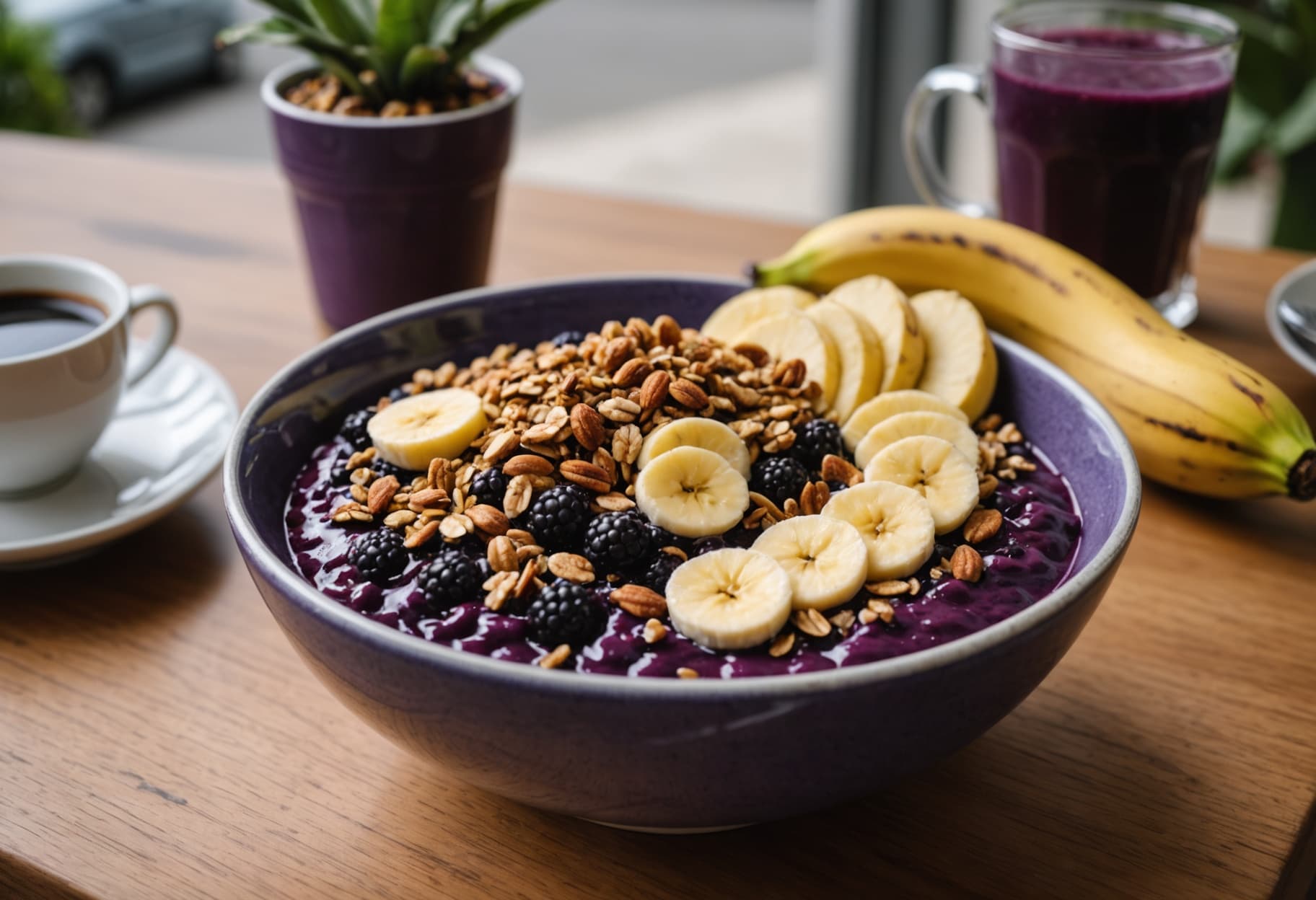
If you have only had açaí as a pastel-pink smoothie bowl with a dozen toppings, São Paulo is about to change your mind. Here, açaí is a dark, thick, ice-cold purée served in a bowl or cup and eaten with a spoon, at any time of day, by almost everyone. Gym-goers have it after training. Families have it as a weekend dessert. Office workers have it as a quick, cold lunch on a hot afternoon.
This guide explains what you are actually eating, how locals order it, and where to try it in the city.
What açaí really is
Açaí is the small, dark purple fruit of an Amazonian palm. On its own it is not sweet. The flavour is earthy and rich, a little like a blend of dark berries and unsweetened chocolate, with a slight tartness. The pulp is sold frozen, because the fruit spoils fast once it leaves the forest.
In the Amazon, açaí has long been a savoury staple, eaten warm or cool with manioc flour and fish or shrimp. The sweet, frozen version that most visitors know is a different dish altogether. It spread through Rio de Janeiro's gyms and beach culture in the 1980s and 1990s, partly through the jiu-jitsu community, and then travelled across Brazil, including to São Paulo. Today it is a normal part of the city's food scene.
How locals eat it
The classic order is açaí na tigela, literally "açaí in the bowl". The frozen pulp is blended with a little guaraná syrup into a thick, sorbet-like texture, then topped with granola and banana. That is the baseline. From there the options multiply:
- Toppings. Strawberry, condensed milk, powdered milk, honey, nuts, peanut butter, chocolate and fruit are all common. Choose a few, not all of them.
- Sizes. Many shops sell by weight or by cup size, from a small cup to a huge shareable "barca" (a boat-shaped dish piled with toppings) meant for a group.
- Puro or zero açúcar. If you want to taste the fruit itself, ask for it pure, or for the sugar-free version. Some places serve it with no syrup at all.
- Smoothies and juices. Açaí is also blended with banana, guarana or other fruit, or added to protein shakes.
A useful tip: eat it quickly. Frozen açaí melts fast in São Paulo's heat, and it turns thin and less pleasant if you leave it.
Where to try açaí in São Paulo
São Paulo has açaí shops in almost every neighbourhood, from international chains to family-run counters. These are well-known places to start. Menus, prices and opening hours change, so check before you go.
- Açaí Original, Vila Olímpia. Often described as the first place in São Paulo to serve açaí na tigela. It sits near the Vila Olímpia nightlife area and has a long menu that includes snacks and juices as well as açaí.
- Açaí Mooca, Mooca. A neighbourhood favourite known for generous, over-the-top portions and big shareable servings. A good pick if you are in the east side of the city and want to go all in.
- Frooty Açaí, Vila Madalena. A brand you may recognise from the fridges in cafés and bars. Its Vila Madalena shop serves classic açaí and versions with banana or cupuaçu, plus lower-sugar options. It pairs naturally with a morning of street art.
- Frutaria São Paulo, several locations. A popular healthy-food spot with branches around the city. It serves açaí pure, traditional or sugar-free, and also in juices and shakes.
- Oakberry and other chains. If you want a reliable bowl, smoothie or sorbet in a hurry, you will find chain stores across the city.
- Balada Mix, Itaim Bibi. A fitness-crowd favourite where açaí is blended to order with the fruit you choose.
Make it part of your day
Açaí works best as a break, not a meal. A few ways to fit it in:
- After a walk on Paulista. Cool down with a cup after exploring the avenue's museums and street art.
- Between sights downtown. The historic centre is hot work in the afternoon, and a cold bowl is a good excuse to sit down.
- In Vila Madalena. Combine it with a wander through the neighbourhood's murals and galleries.
- After a food tour. Açaí makes a light dessert once you have eaten your way through coxinha, pastel and mortadella sandwiches.
Taste more of São Paulo with a local
Açaí is only one flavour of a city that has absorbed Italian, Japanese, Lebanese, Portuguese and Amazonian food over generations. If you would like to taste more of it with someone who knows where to go, here are two ways to do it.
With a guide
- São Paulo Private Downtown Walking Tour, with optional food stops. A relaxed walk through the historic centre with a certified local guide. Depending on your tastes, you can sample things like cupuaçu juice from the Amazon, fresh tropical fruit, pastel with sugarcane juice, coxinha, and the famous mortadella sandwich at the Municipal Market. Food and drink are not included, so you choose what to try and pay as you go.
Self-guided, at your own pace
- São Paulo Downtown Food Trail: Taste the City's History. A walking route through the old centre with stops at markets, cafés and bakeries, guided by GPS, stories and photos on your phone.
Browse all our São Paulo tours to pick the style that suits you, and book in a few clicks.
Quick tips for first-timers
- Ask for the sugar level you want. Syrup is often added by default, so say "sem xarope" (without syrup) or "sem açúcar" (no sugar) if you prefer.
- Start small. A small cup is plenty for a first try, and portions can be very large.
- Pay attention to toppings. The more you add, the sweeter and heavier it becomes.
- Carry a little cash or use Pix. Most shops accept cards, but small places can be quicker with cash or Pix.
- Keep your phone safe. As anywhere in a big city, avoid scrolling at the kerb while you wait for your order.
The bottom line
Açaí in São Paulo is cold, thick, a little earthy and endlessly customisable. Try it plain once to taste the fruit, then try it the way locals do, with banana and granola, on a hot afternoon. It is one of the easiest and cheapest ways to taste Brazil without leaving the sidewalk.
Opening hours, menus and prices change. Check before you go.
Comments
Loading comments...
Related Stories
How Dangerous Is São Paulo? An Honest Guide
Is São Paulo dangerous for tourists? The honest answer: far less than its reputation, if you know where to go, what to watch for, and how to move around.
8 min read
Street Art in Vila Madalena: São Paulo Beyond the Postcards
Beco do Batman and the streets around it — where to find the murals, when the light is best, and how to pair it with galleries and coffee.
1 min read
An Afternoon in Liberdade: São Paulo’s Japan Town
Suzuran lanterns, weekend street food, and quiet side streets — how to spend an afternoon in the largest Japanese neighborhood outside Japan.
1 min read
Explore São Paulo
Browse by category
Guided tours
Led by hosts who live here · São Paulo

São Paulo Private Downtown Walking Tour. Optional Food Stops
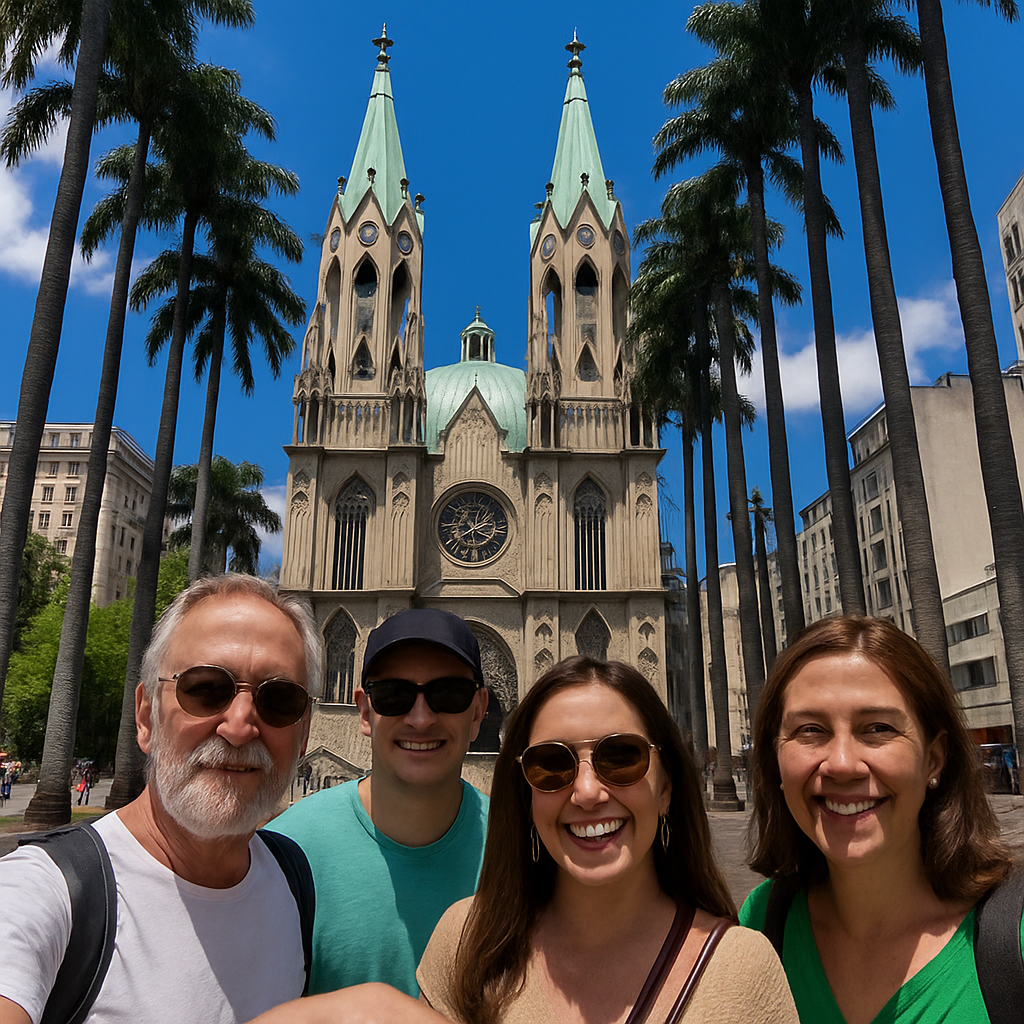
Dive into São Paulo’s city center (private or group tour), savor a variety of local foods, discover hidden gems, and explore iconic landmarks with a friendly, certified local guide by your side! Certified Tour Guide – CADASTUR - Brazil Olá! I’m Thiago, born and raised in São Paulo. It would be a pleasure to welcome you to my city and show you the best of São Paulo through the eyes of a local. This is more than just a walking tour — it’s a deep, authentic dive into São Paulo’s culture, food, history, and street life, with real stories and hidden corners you won’t find in any guidebook. I’ll make sure your experience is fun, flexible, safe, and unforgettable. What Makes This Tour Special: - A flexible, relaxed experience tailored to your interests - Safety first: We’ll stick to well-known areas, avoid risky zones, and I’ll guide you every step of the way How It Works: Private: I can pick you up at the hotel on foot if it's close to a metro station, and then we can take the metro together to the first stop. Otherwise, I kindly ask that you take an Uber to the meeting point - MASP on Paulista Ave. We’ll taste some of the most delicious local foods and drinks in Brazil, with a variety of options to choose from, such as: - a refreshing and delicious cupuaçu juice from the Amazon - pastel with sugarcane juice, São Paulo’s favorite combo - chicken coxinha with catupiry and a brigadeiro for dessert - a variety of fresh tropical fruits to sample - the famous mortadella sandwich with a local beer - peanut paçoca - or even a traditional everyday meal like rice, beans, and meat. Food and drink costs are not included, so you’ll be free to choose whatever you’d like along the way. We’ll explore must-see attractions and historic sites: - Japan Town - Liberdade. The largest Japanese community outside Japan - The impressive Sé Cathedral and surrounding historical landmarks - Pátio do Colégio – the exact spot where São Paulo was founded - The financial district and the São Paulo Stock Exchange - The Santander Lighthouse observatory for breathtaking city views (closed on mondays) - The energetic and chaotic March 25 Street Market — a local favorite for bargains and people-watching - Charming colonial architecture, lively street scenes, and plenty of photo opportunities - A stop at the iconic Municipal Market to try famous foods And many other possibilities along the way. The itinerary may change depending on the day, due to weather or local conditions such as construction and other unforeseen factors. Type: Walking tour with subway transport (optional) Safety: Guided route through safe areas; local guide support at all times Best for: First-time visitors, food lovers, history buffs, photographers This tour will give you real local insight, great food, and memorable stories, all with comfort and security. The experience is flexible, relaxed, and fun, with no rush and no stress. Just bring your curiosity, a camera, and your appetite — and let’s explore the best of São Paulo together!

São Paulo Street Food Tour: Taste the City Like a Local
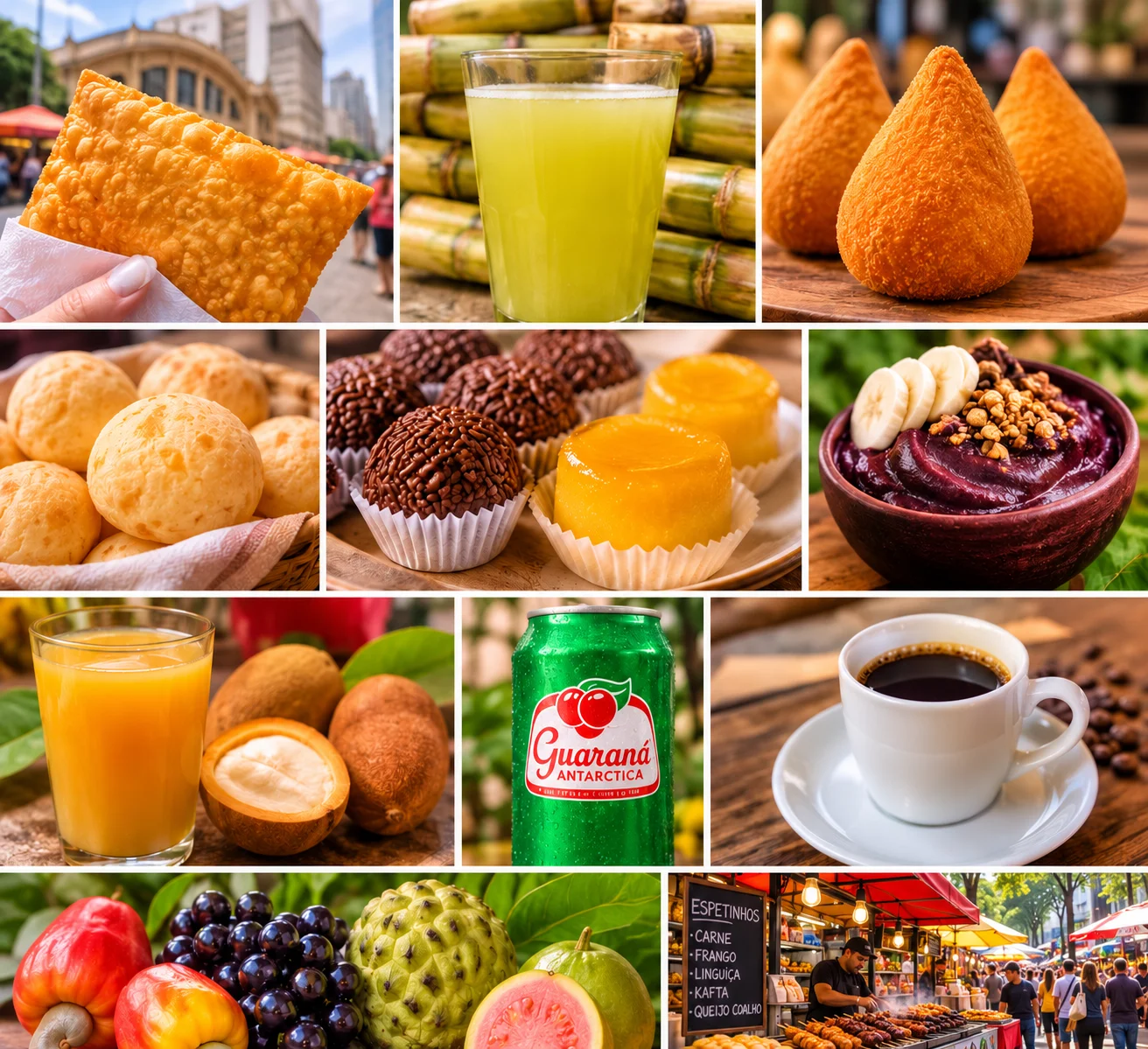
# São Paulo Street Food Tour: Taste the City Like a Local **Discover São Paulo one bite at a time in a small-group experience!** Join us on a delicious journey through the streets of Brazil's largest city, where every snack, sweet, and drink has a story to tell. Designed for a small group, this experience offers a more personal and relaxed way to explore São Paulo, connect with fellow travelers, and discover authentic Brazilian flavors. Led by a local guide, you'll go beyond the typical tourist spots to discover the foods Brazilians grow up with and enjoy every day. **Taste some of Brazil's most beloved specialties:** - **Pastel & Sugarcane Juice** – A crispy, freshly fried pastry paired with refreshing sugarcane juice, a classic Brazilian street food combination. - **Coxinha** – Brazil's famous crispy chicken croquette, a favorite at local bakeries and snack bars. - **Pão de Queijo** – Warm, soft Brazilian cheese bread with an irresistible cheesy flavor. - **Brigadeiro & Quindim** – Two traditional Brazilian sweets, one made with chocolate and condensed milk, the other with coconut and egg yolks. - **Açaí & Cupuaçu Juice** – Discover two unique Amazonian fruits and their tropical flavors. - **Guaraná Soda** – Try Brazil's iconic soft drink, made with the flavor of the Amazonian guaraná fruit. - **Brazilian Coffee** – Experience Brazil's rich coffee culture and discover its importance to São Paulo's history. - **Exotic & Seasonal Brazilian Fruits** – Discover Brazil's incredible fruit diversity with a tasting of fresh fruits such as caju (cashew apple), jabuticaba (Brazilian grape), atemoya, and guava, along with other seasonal surprises. Depending on availability, you'll get to experience unique textures, aromas, and flavors rarely found outside Brazil. **More than just a food tour** Along the way, explore lively streets, traditional bakeries, local markets, and hidden food spots while learning about the cultural influences that shaped Brazilian cuisine. Discover how Indigenous traditions, African heritage, Portuguese influences, and generations of immigrants helped create São Paulo's unique food culture. With a small group, there's more time to ask questions, share discoveries, interact with your guide, and enjoy each tasting without feeling rushed. Whether you're a curious foodie, a solo traveler, or simply want to experience the real Brazil, this tour is the perfect introduction to São Paulo's flavors and traditions. **Come hungry, leave happy, and experience São Paulo like a local!** *Food and fruit selections may vary depending on seasonal availability and the establishments visited.*