
Why Visit Belém? The Amazon's Gateway City, Explained
Mango-lined streets, a 400-year-old river market, flavours you cannot find anywhere else in Brazil, and the Amazon on your doorstep. Here is why Belém deserves a place on your Brazil trip.
- belem
- para
- amazon
- brazil
- food-and-drink
- local-culture
- travel-tips
- first-time-visitors
- guided-tours
Most visitors to Brazil see Rio, São Paulo and maybe Salvador. Far fewer make it to the place where the country stops feeling like a coastline and starts feeling like a river: Belém, the capital of the state of Pará, sitting at the mouth of the Amazon.
It is hot, humid, loud, delicious and unlike anywhere else you will visit in Brazil. It has colonial forts, a gilded opera house, a market that has been weighing fish since the 17th century, and a food scene so distinctive that UNESCO named it a Creative City of Gastronomy. And just a short boat ride away, you are on an Amazon river island, drinking chocolate made by the family who grew the cacao.
This guide explains why Belém is worth the trip, what to see and eat, and how to plan it.
Why Belém is different
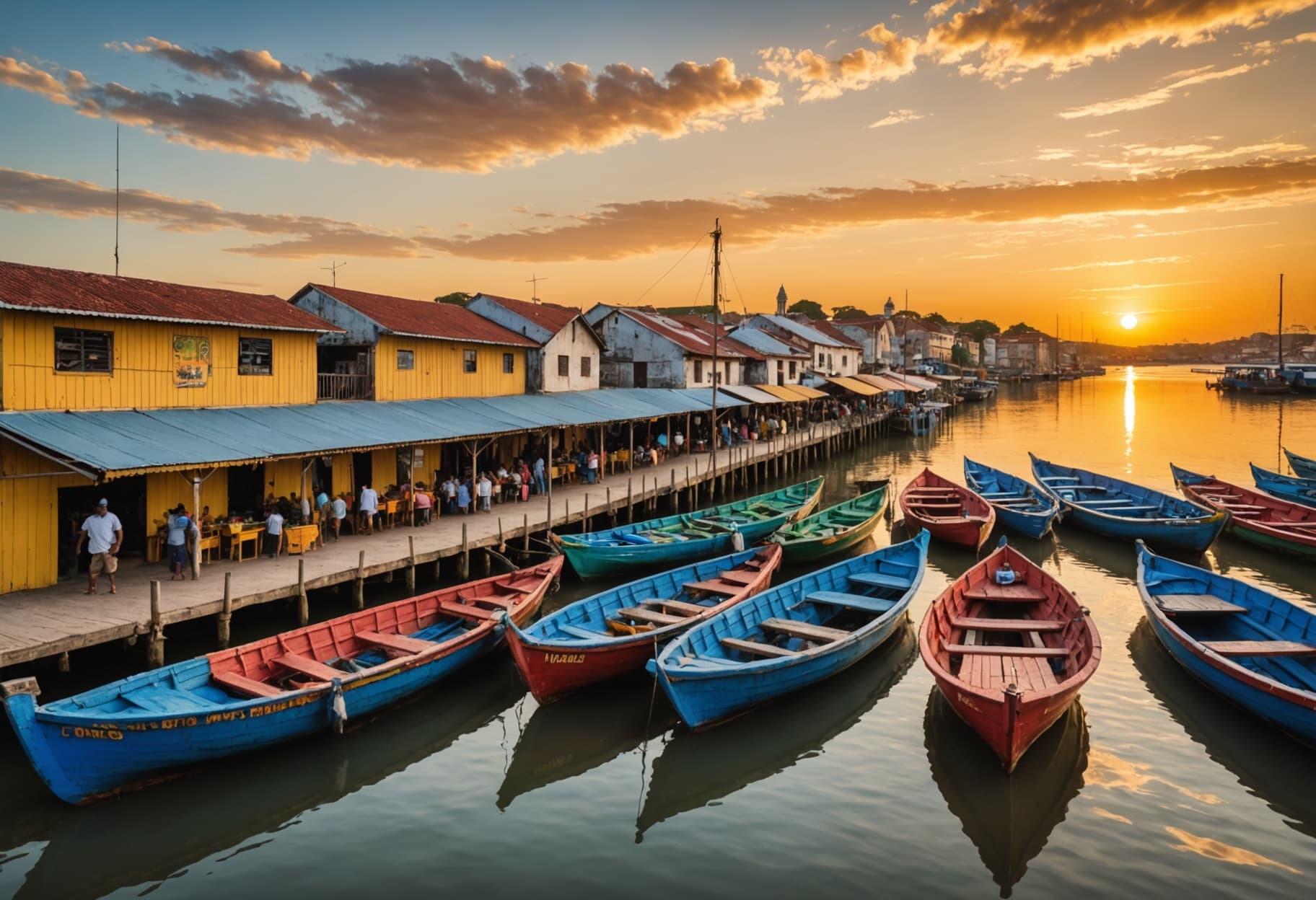
Belém was founded in 1616, when the Portuguese built the Forte do Presépio on the bay to guard the entrance to the Amazon. Four centuries later, the city is still defined by water. The Guajará Bay and the Guamá River wrap around the historic centre, boats arrive at dawn loaded with fish and fruit, and the horizon is mostly sky.
Three things make the city stand out:
- It is the gateway to the Amazon. Belém is the biggest city in the region where Amazonian food, culture and daily life meet urban Brazil. You do not need a jungle expedition to feel it.
- Its food is unique. Indigenous ingredients, river fish and fruits that barely exist outside the region shape the local menu.
- It has real history, not a polished version of it. Belém grew rich on the rubber boom in the late 19th and early 20th centuries, and the grand buildings from that era sit beside colonial churches and busy market streets.
It is also known as the Cidade das Mangueiras, the City of Mango Trees. Huge mango trees line many of its avenues and squares, meeting overhead to form green tunnels that keep the streets shaded in the heat.
The best things to do in Belém
Ver-o-Peso market
If you only do one thing in Belém, do this. Ver-o-Peso is one of the largest open-air markets in Latin America, and it has been operating, in one form or another, since 1688, when the Portuguese set up a post here to check the weight of goods arriving by river. The name means roughly "see the weight".
Today it is a sprawling riverside maze:
- Fish and seafood, sold from an iron-framed pavilion dating from the early 1900s, with river species you will probably not recognise.
- Fruit and vegetable stalls, piled with açaí, cupuaçu, bacuri, taperebá and other Amazonian fruits.
- Medicinal herbs, roots, oils and potions, sold by the erveiras, the herb women who prepare remedies and the famous banhos de cheiro, aromatic bath mixes.
- Food counters, where you can eat breakfast or lunch standing at a stall.
Go early, around 6 to 8 a.m., when boats are unloading and the light is best. It is crowded, so keep your phone and bag secure, and treat it as a morning destination rather than an evening one.
Estação das Docas
Just along the waterfront, this former port complex has been converted into restaurants, cafés and a space for events. Three long 19th-century iron warehouses now face the Guajará Bay, with outdoor tables and river views. It is a comfortable place to escape the midday heat, grab a cold drink, or watch the sunset over the water. Prices are higher than at the market, but it is a pleasant, easygoing stop.
Cidade Velha: the old town
The historic district, Cidade Velha, is where Belém began, and it is a good area for a slow walk.
- Forte do Presépio (Forte do Castelo) and the surrounding Feliz Lusitânia complex mark the founding spot, with old cannons facing the bay.
- Belém Cathedral (Catedral da Sé) and the neighbouring Santo Alexandre church show the colonial layers of the city.
- Casa das Onze Janelas, the "House of the Eleven Windows", is a former colonial mansion that now serves as an art space.
Come in the morning, when it is cooler, and combine it with a river-view coffee afterwards.
Theatro da Paz
Opened in 1878 during the rubber boom, the Theatro da Paz is one of Brazil's most elegant neoclassical theatres. It sits on the leafy Praça da República, surrounded by mango trees. You can visit during the day on a guided tour, or, if you are lucky with the calendar, attend a concert. It is a reminder of the wealth that once poured through the city.
Basílica de Nazaré and the Círio
The Basílica Santuário de Nossa Senhora de Nazaré is the spiritual heart of Belém, and the centre of one of the largest religious festivals in the world. The Círio de Nazaré, held every year on the second Sunday of October, draws around two million people into a procession through the city. UNESCO recognised it as Intangible Cultural Heritage of Humanity.
Even outside the festival, the basilica is worth a visit for its marble interior and its quiet calm. If you ever plan your trip around a single date, October is when Belém is at its most intense, emotional and crowded.
Mangal das Garças
On the riverbank, this green park is a peaceful break from the city. You can walk through a recreated stretch of Amazon vegetation, watch scarlet ibises and other birds, spot turtles and alligators, and visit the butterfly house. There is also a river-view lookout tower and a small restaurant. It is easy, family-friendly and a good way to see Amazon nature without leaving the city.
Museu Paraense Emílio Goeldi
Founded in the 19th century, the Goeldi is one of the Amazon's leading research institutions, and its park combines a botanical garden, a small zoo of regional animals and exhibitions on Amazonian science and indigenous cultures. It is shaded, calm and a good option for the hottest part of the day.
A boat ride to Ilha do Combu
A short boat trip from the city centre brings you to Ilha do Combu, a river island of narrow channels, stilt houses and cacao trees. Riverside restaurants serve fresh fish and Amazonian dishes, and small producers make chocolate from locally grown cacao. It is quiet, green and one of the easiest ways to feel the Amazon environment in half a day.
If you have more time, Mosqueiro island, about 70 km from the city by road, offers river beaches and a slower, holiday atmosphere, especially on weekends.
What to eat in Belém
Belém's food is the single best reason many people travel here. These are the dishes to try.
- Tacacá. The classic street snack. A hot, yellow broth made from tucupi (a fermented cassava juice), served in a gourd bowl with jambu leaves, dried shrimp and tapioca gum. Jambu makes your mouth tingle and go slightly numb, which is part of the fun. Look for tacacá vendors in the late afternoon.
- Pato no tucupi. Duck cooked in the same tucupi sauce with jambu, usually served with rice and manioc flour. It is the signature dish of Pará and especially associated with the Círio.
- Maniçoba. A rich dish made from cassava leaves that are slowly cooked for days, then combined with pork. Often called the Amazonian answer to feijoada.
- Açaí, the local way. In Belém, açaí is not a dessert. It is served thick, warm or cool, without sugar, as a side to fried fish and shrimp, with manioc flour. Try it this way at least once before you try it with granola.
- River fish. Look for tambaqui, pirarucu, filhote and dourada, often grilled or served in a stew.
- Fruit and ice cream. Cupuaçu, bacuri, taperebá and murici turn up in juices and ice cream. Ask for a mixed scoop and let the vendor suggest flavours.
- Chocolate and sweets. Pará is a leading cacao-growing state, and local chocolate is a real highlight.
If you are unsure what to order, ask the vendor or server what is typical. People here are proud of their food and happy to explain.
See Belém's highlights in one day, with a local guide
Belém is a city where a local makes a big difference. The market is a maze, the old town is spread out, and the best sights are far enough apart that getting between them takes planning. A guide handles the logistics so you can focus on the city.
Belém City Tour (full day, guided)
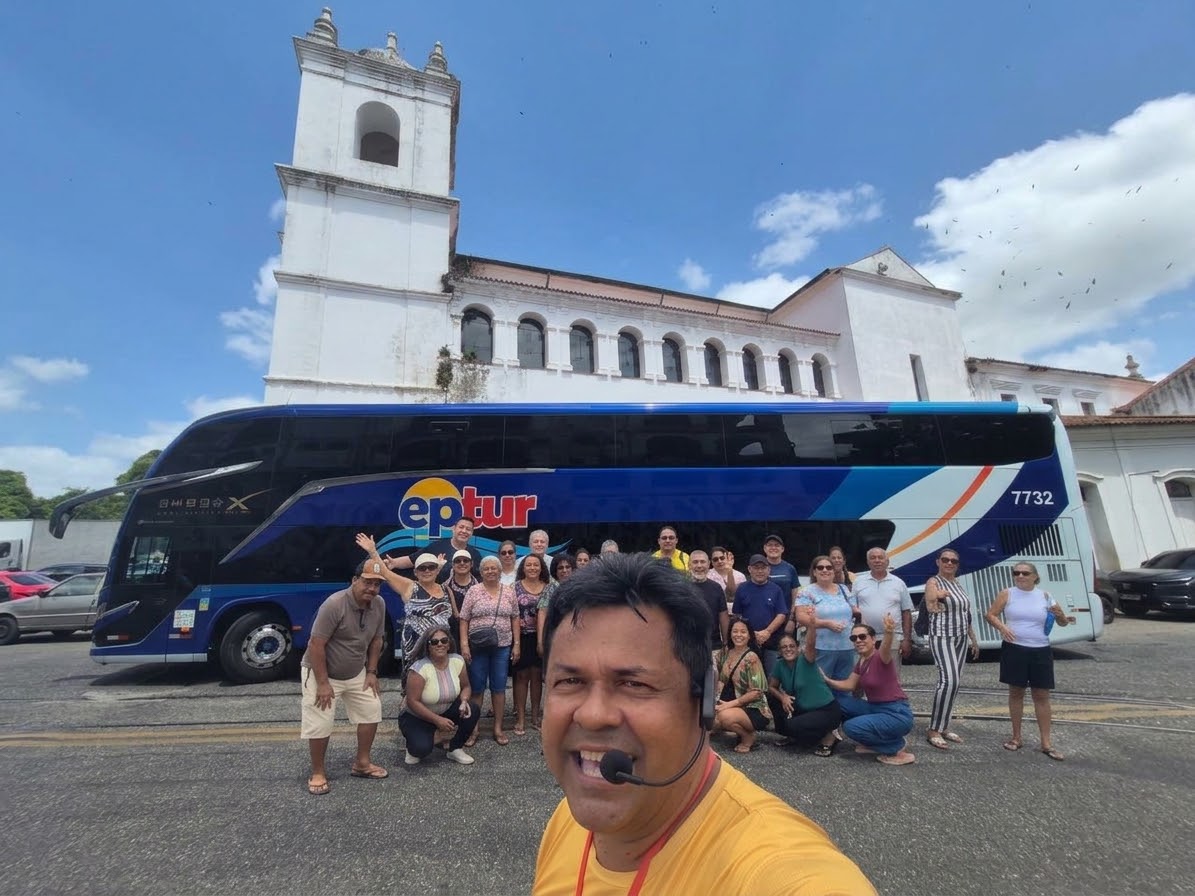
A full-day guided tour of the city's essentials, led by a professional local guide. The programme covers the Ver-o-Peso market, the historic centre, a botanical park, the Basílica of Nazaré, plus sightseeing and museums along the way.
- Duration: about 6 hours, starting at 9:00 a.m.
- Meeting point: the Cathedral of Belém, in the historic centre
- Languages: English, French, Portuguese and Spanish
- Included: professional local guide and hotel pickup
- Not included: food and drinks, entrance fees, tips and personal expenses
- What to bring: comfortable walking shoes, a water bottle, a hat, sunglasses, a camera and some cash
It is a good first-day option: you get oriented, see the main sights in one go, and leave with a list of places to return to on your own.
Browse all our Belém tours to see availability and book in a few clicks.
When to go
Belém is hot and humid all year, with temperatures typically in the high 20s to low 30s °C. What changes is the rain:
- December to May is the rainy season, with heavy afternoon downpours.
- June to November is drier, though showers still happen.
- October is the month of the Círio, spectacular but very crowded, with hotels filling up early.
Locals plan their day around the rain. Do your walking in the morning, break for lunch when the afternoon rain hits, and head out again at sunset.
How long to stay
- Two days is enough for the market, the old town, the food and a sunset on the waterfront.
- Three to four days lets you add Ilha do Combu, Mangal das Garças and a slower pace.
- A week or more makes sense if you want to continue into the wider region, including Marajó island or the beaches and towns of Pará.
Practical tips
- Dress for the heat. Light, breathable clothing, a hat, sunscreen and a refillable water bottle.
- Carry a small umbrella or rain jacket. The afternoon rain is predictable and short, but heavy.
- Be careful with your phone and bag. Belém has the same big-city risks as any other Brazilian capital. Stay alert in crowded areas such as the market, avoid walking around with your phone in your hand, and use app-based rides at night.
- Take rides at night. Rather than walking long distances after dark, especially outside well-lit areas.
- Keep some cash. Many stalls accept Pix or cards, but cash helps in markets.
- Eat where locals eat. If a place is full of residents, it is usually a good sign.
- Check opening hours. Museums and churches often close on Mondays or during midday.
Getting there
Belém's airport, Val-de-Cans (BEL), is about 12 km from the city centre, with direct flights from São Paulo, Brasília and other major Brazilian cities. The city also hosted the COP30 climate conference in 2025, which brought new investment and renovation to parts of the waterfront and public spaces.
The bottom line
Belém is not a polished resort city, and it does not try to be. It is a real, working Amazonian capital with old stone, rain-soaked afternoons, a riverside market that feels like another century, and a food culture that rewards curious eaters. If you want a side of Brazil that most travellers miss, this is where to find it, and the easiest way to start is with a local who knows the way.
Opening hours, prices and event dates change. Check before you go.
Comments
Loading comments...
Related Stories
How Dangerous Is Rio de Janeiro? An Honest Guide for Visitors
Is Rio de Janeiro dangerous for tourists? The honest answer: far less than its reputation, if you know where to go, what to watch for, and why a local guide changes everything.
9 min read
Açaí in São Paulo: What It Is, How Locals Eat It, and Where to Try It
Thick, cold, purple and nothing like the smoothie bowl back home. Here is how açaí became a São Paulo habit, how to order it, and where to try it.
6 min read
How Dangerous Is São Paulo? An Honest Guide
Is São Paulo dangerous for tourists? The honest answer: far less than its reputation, if you know where to go, what to watch for, and how to move around.
8 min read
Explore Belém
Guided tours
Led by hosts who live here · Belém

City Tour
Full day tour at Belém City , state of Pará in Brazil Amazon region. Ver o peso market, histórica center, botanical park, Basílica of Nazareth, sightseeing and museus.