
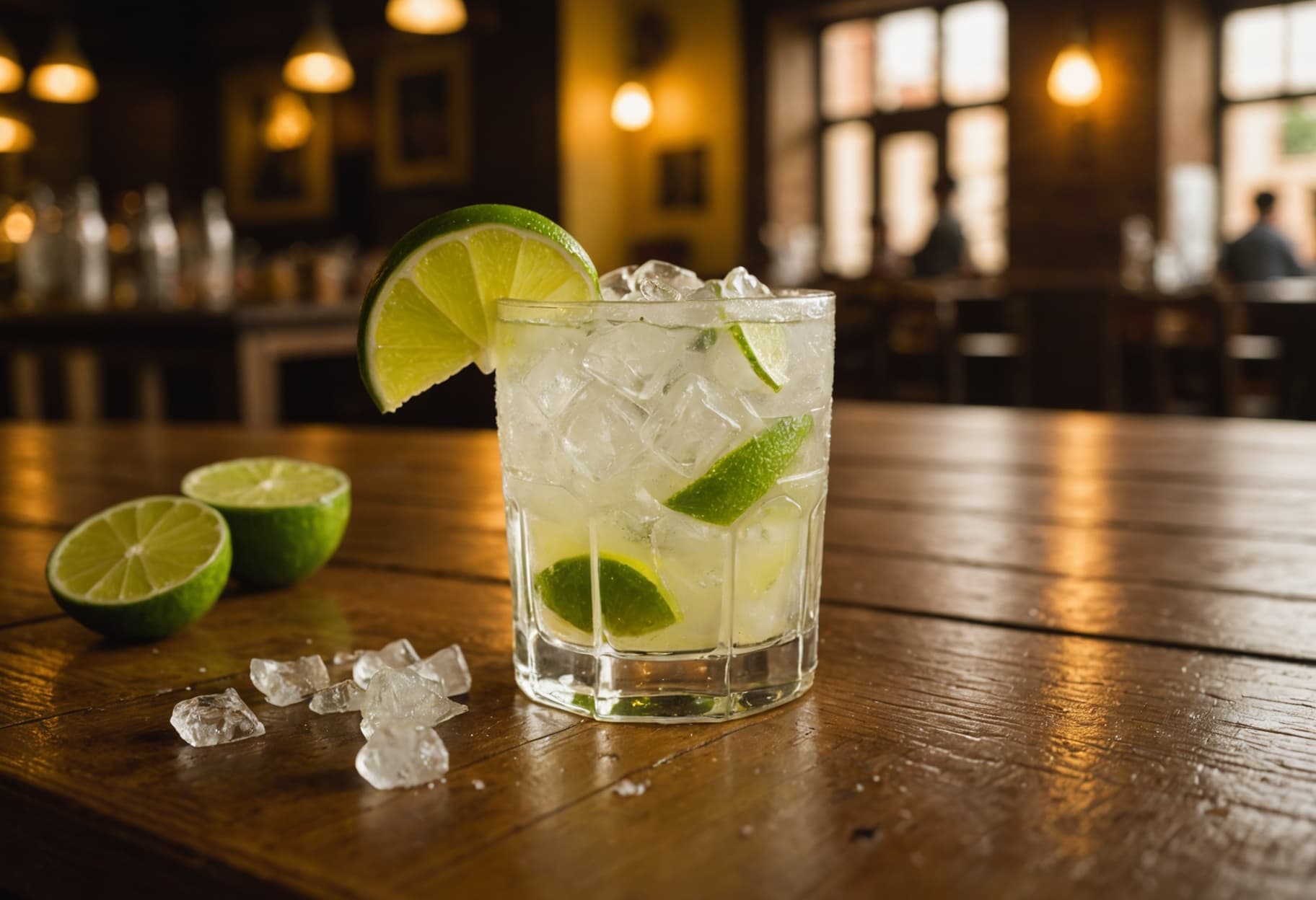
Caipirinha in São Paulo: Where It Was Born, How to Order It, and Where to Drink the Best
Brazil's national cocktail most likely started in the countryside of São Paulo state. Here is its story, how to order it like a local, and the bars where the city pours it best.
- sao-paulo
- caipirinha
- cachaca
- food-and-drink
- bars
- nightlife
- first-time-visitors
- brazil
Ask a paulistano what to drink on a hot evening and the answer will almost always be the same: a caipirinha. Lime, sugar, cachaça and a lot of ice. Three ingredients, no fuss, and one of the best-known cocktails in the world.
What many visitors do not know is that this drink most likely began right here, in the countryside of São Paulo state. This guide covers where it came from, how locals order it, and where to drink a good one in the city.
Where the caipirinha really comes from
The exact origin is debated, as with most classic cocktails. The most widely repeated account places the drink in the interior of São Paulo state, around 1918. Many versions of the story say that farmers mixed cachaça with lime, garlic and honey as a home remedy during the Spanish flu. Over time the garlic and honey dropped out, sugar came in to soften the lime, and the modern drink was born.
The name helps. Caipira is the word for a person from the countryside, and caipirinha means something like "little countryside drink". In its early days it was sometimes known as the batida paulista, the São Paulo mix. Cachaça itself is much older, a spirit distilled from fresh sugarcane juice that has been made in Brazil since the 1500s.
So when you order one in São Paulo, you are drinking something close to home turf.
What goes into a classic caipirinha
The recipe is simple, which is why quality matters.
- Cachaça. A Brazilian spirit made from sugarcane juice. It is not rum, which is usually made from molasses. Silver (prata) cachaça gives a clean, grassy kick. Aged (envelhecida) cachaça is smoother and a bit woody.
- Lime. Cut into small wedges and muddled gently with the sugar. Locals use a small, sharp lime. Muddling too hard can bring out bitterness from the pith.
- Sugar. White or demerara sugar, muddled with the lime until it dissolves.
- Ice. Plenty of it. A caipirinha is meant to be very cold.
A drink made with other fruit is called a caipifruta. One made with vodka is a caipiroska (or caipivodka). One made with sake is a caipisake, a nod to São Paulo's large Japanese-Brazilian community. All are popular, but a true caipirinha uses cachaça and lime.
How to order like a local
- "Uma caipirinha de limão, por favor." The classic. Say it and you will get lime and cachaça.
- Pick your base. Most bars will ask whether you want cachaça, vodka or sake. For the original, say cachaça.
- Ask about the cachaça. Many bars offer a standard cachaça and an especial or premium option. If you want to taste the spirit, go for the special.
- Sweetness. If you prefer it less sweet, say "pouco açúcar" (a little sugar).
- Try a fruit version. Passion fruit, strawberry, pineapple, tangerine and kiwi are common. Some bars add mint, ginger or chilli.
- Sizes. Some places sell a normal size and a large one to share.
Where to drink a great caipirinha in São Paulo
São Paulo has caipirinhas on almost every bar menu, from corner botecos to polished cocktail rooms. These are well-known places to start. Menus, hours and prices change, so check before you go.
- Veloso, Vila Mariana. A small, much-loved corner bar on a quiet street, famous for its caipirinha of tangerine with red pepper and for its coxinhas. Tables fill up fast, so go early. It has traditionally been closed on Mondays.
- Boteco São Bento, Itaim Bibi and Vila Madalena. A São Paulo botequim with a long list of caipirinha flavours, including some surprising seasonal ones, plus excellent bar snacks.
- Salve Jorge, Centro and Vila Madalena. A lively bar known for its house caipirinha with cachaça, kiwi and mint. A good stop after a day of street art.
- Candeeiro, Vila Mariana. A relaxed bar with caipirinhas prepared by a well-known bartender, including a lime and basil version.
- Soul Botequim. A modern boteco that serves a classic lime caipirinha and a version with aged cachaça and honey.
- Pirajá, several locations. A bar with Rio de Janeiro roots that is popular in São Paulo for its caipirinhas and snacks.
- Caetano's Bar. Famous among locals for caipirinhas and traditional boteco food, such as fried bolinhos.
A tip on food. In Brazil, a caipirinha almost always comes with something to eat. Order a plate of coxinhas, pastéis, bolinhos de bacalhau or dadinhos de tapioca (fried tapioca cubes with chilli jam). It is the best way to enjoy a strong drink.
Make it part of your day in São Paulo
Caipirinha is an evening pleasure, but it fits into a wider day of eating and exploring.
- Late afternoon in Vila Madalena. Wander the street-art lanes of Beco do Batman, then settle into a bar as the light fades.
- After a downtown walk. Spend the morning at Sé Cathedral, the Pátio do Colégio and the Municipal Market, then rest your feet in the evening with a cold drink.
- A snack-and-drink crawl. Pair one caipirinha per stop with a different classic snack, and share each round.
Taste more of São Paulo with a local
São Paulo's food and drink culture has Italian, Japanese, Lebanese, Portuguese and many other roots. If you would like to taste it with someone who knows where to go, here are two ways to do it.
With a guide
- São Paulo Private Downtown Walking Tour, with optional food stops. A relaxed walk through the historic centre with a certified local guide. You can sample things like coxinha, pastel with sugarcane juice, cupuaçu juice and the famous mortadella sandwich at the Municipal Market. Food and drink are not included, so you choose what to try and pay as you go.
Self-guided, at your own pace
- São Paulo Downtown Food Trail: Taste the City's History. A walking route through the old centre with stops at markets, cafés and bakeries, guided by GPS, stories and photos on your phone.
- São Paulo in Color: Murals of Paulista and Consolação. A street-art route through two lively neighbourhoods, which pairs well with an evening drink afterwards.
Browse all our São Paulo tours to pick the style that suits you, and book in a few clicks.
Quick tips for first-timers
- Caipirinhas are strong. Cachaça is usually around 40% alcohol, and the sugar hides it. Pace yourself, drink water, and eat as you go.
- Choose reputable bars. Stick to well-known venues, keep an eye on your drink, and avoid unbranded bottles. There have been recent reports of contaminated spirits in the region.
- Have a plan to get home. Use a ride app instead of walking late at night, and check that the plate matches the app.
- Watch your phone. Do not leave it on the table or scroll at the kerb while you wait for a ride.
- Pay with Pix or a card. Most bars accept both, but a little cash helps in small botecos.
The bottom line
The caipirinha is simple, cold and sharp, and it tastes best in the place where it began. Start with the classic lime version, add a plate of coxinhas, and let a bartender or local guide point you to the next one. It is one of the easiest ways to taste Brazil in a single glass.
Please drink responsibly. Menus, prices and opening hours change, so check before you go.
Comments
Loading comments...
Related Stories
Do I Need Cash in Brazil? Cards, Pix and Money Tips for Tourists
Brazil is one of the most cashless countries in the world. Here is how to pay like a local: when your card works, what Pix is, how tourists can use it, and how much cash you really need.
5 min read
Açaí in São Paulo: What It Is, How Locals Eat It, and Where to Try It
Thick, cold, purple and nothing like the smoothie bowl back home. Here is how açaí became a São Paulo habit, how to order it, and where to try it.
6 min read
How Dangerous Is São Paulo? An Honest Guide
Is São Paulo dangerous for tourists? The honest answer: far less than its reputation, if you know where to go, what to watch for, and how to move around.
8 min read
Explore São Paulo
Browse by category
Guided tours
Led by hosts who live here · São Paulo
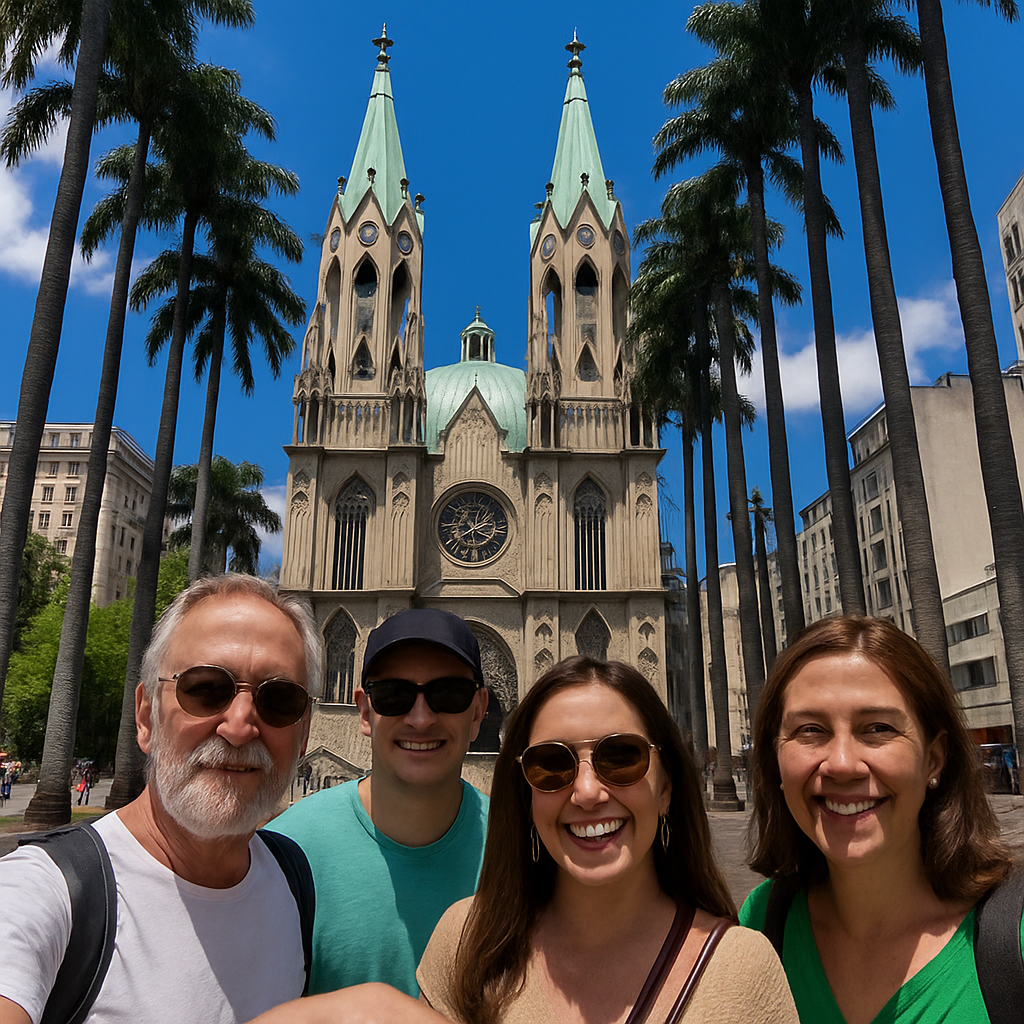

São Paulo Downtown Walking Tour. Optional Food Stops
Dive into São Paulo’s city center (private or group tour), savor a variety of local foods, discover hidden gems, and explore iconic landmarks with a friendly, certified local guide by your side! Certified Tour Guide – CADASTUR - Brazil Olá! I’m Thiago, born and raised in São Paulo. It would be a pleasure to welcome you to my city and show you the best of São Paulo through the eyes of a local. This is more than just a walking tour — it’s a deep, authentic dive into São Paulo’s culture, food, history, and street life, with real stories and hidden corners you won’t find in any guidebook. I’ll make sure your experience is fun, flexible, safe, and unforgettable. What Makes This Tour Special: - A flexible, relaxed experience tailored to your interests - Safety first: We’ll stick to well-known areas, avoid risky zones, and I’ll guide you every step of the way How It Works: Private: I can pick you up at the hotel on foot if it's close to a metro station, and then we can take the metro together to the first stop. Otherwise, I kindly ask that you take an Uber to the meeting point - MASP on Paulista Ave. We’ll taste some of the most delicious local foods and drinks in Brazil, with a variety of options to choose from, such as: - a refreshing and delicious cupuaçu juice from the Amazon - pastel with sugarcane juice, São Paulo’s favorite combo - chicken coxinha with catupiry and a brigadeiro for dessert - a variety of fresh tropical fruits to sample - the famous mortadella sandwich with a local beer - peanut paçoca - or even a traditional everyday meal like rice, beans, and meat. Food and drink costs are not included, so you’ll be free to choose whatever you’d like along the way. We’ll explore must-see attractions and historic sites: - Japan Town - Liberdade. The largest Japanese community outside Japan - The impressive Sé Cathedral and surrounding historical landmarks - Pátio do Colégio – the exact spot where São Paulo was founded - The financial district and the São Paulo Stock Exchange - The Santander Lighthouse observatory for breathtaking city views (closed on mondays) - The energetic and chaotic March 25 Street Market — a local favorite for bargains and people-watching - Charming colonial architecture, lively street scenes, and plenty of photo opportunities - A stop at the iconic Municipal Market to try famous foods And many other possibilities along the way. The itinerary may change depending on the day, due to weather or local conditions such as construction and other unforeseen factors. Type: Walking tour with subway transport (optional) Safety: Guided route through safe areas; local guide support at all times Best for: First-time visitors, food lovers, history buffs, photographers This tour will give you real local insight, great food, and memorable stories, all with comfort and security. The experience is flexible, relaxed, and fun, with no rush and no stress. Just bring your curiosity, a camera, and your appetite — and let’s explore the best of São Paulo together!
Vamoslocal Original
Designed by Vamoslocal, led by local guides
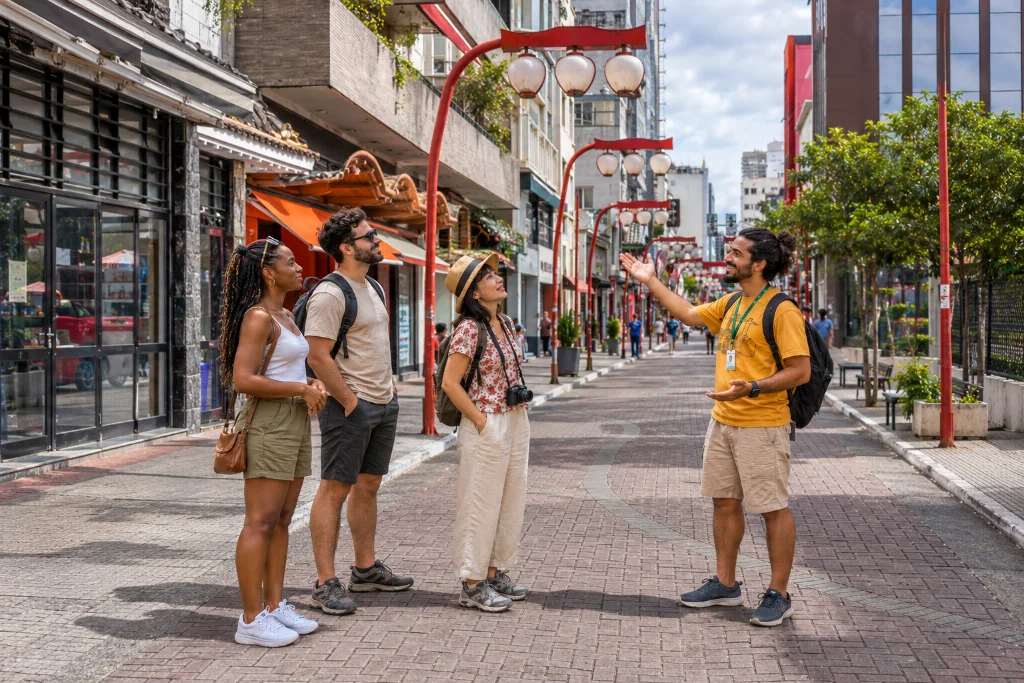
São Paulo: Private Downtown Walk, Liberdade & Market
Discover São Paulo’s historic centre with a private local guide, starting at MASP on Avenida Paulista and finishing with local flavours at the Municipal Market. Meet your guide in the open area beneath MASP and travel together by metro to Liberdade, São Paulo’s Japan Town. Explore its distinctive streets, discover its cultural influences and hear stories about the neighbourhood’s history and everyday life. Continue on foot through the historic centre, visiting landmarks such as Sé Cathedral, Pátio do Colégio, Vale do Anhangabaú and the Municipal Theatre. Your guide will reveal architectural details and connect the city’s origins with the people and transformations that shaped São Paulo today. Walk through the São Bento area before reaching the Municipal Market. Here, your guide will introduce the food options and recommend places to try a mortadella sandwich, pastel or other local flavours, purchased separately. The tour finishes at the market, where you can stay for lunch and explore independently. Before saying goodbye, your guide can explain a suitable Uber pickup point for your onward journey. This private experience lasts approximately three to four hours and includes your local guide. Metro tickets, food, drinks, paid attraction tickets and return transport are not included. Metro tickets and most additional purchases can be paid by credit card, although acceptance varies by vendor. Interior visits depend on opening hours and access.
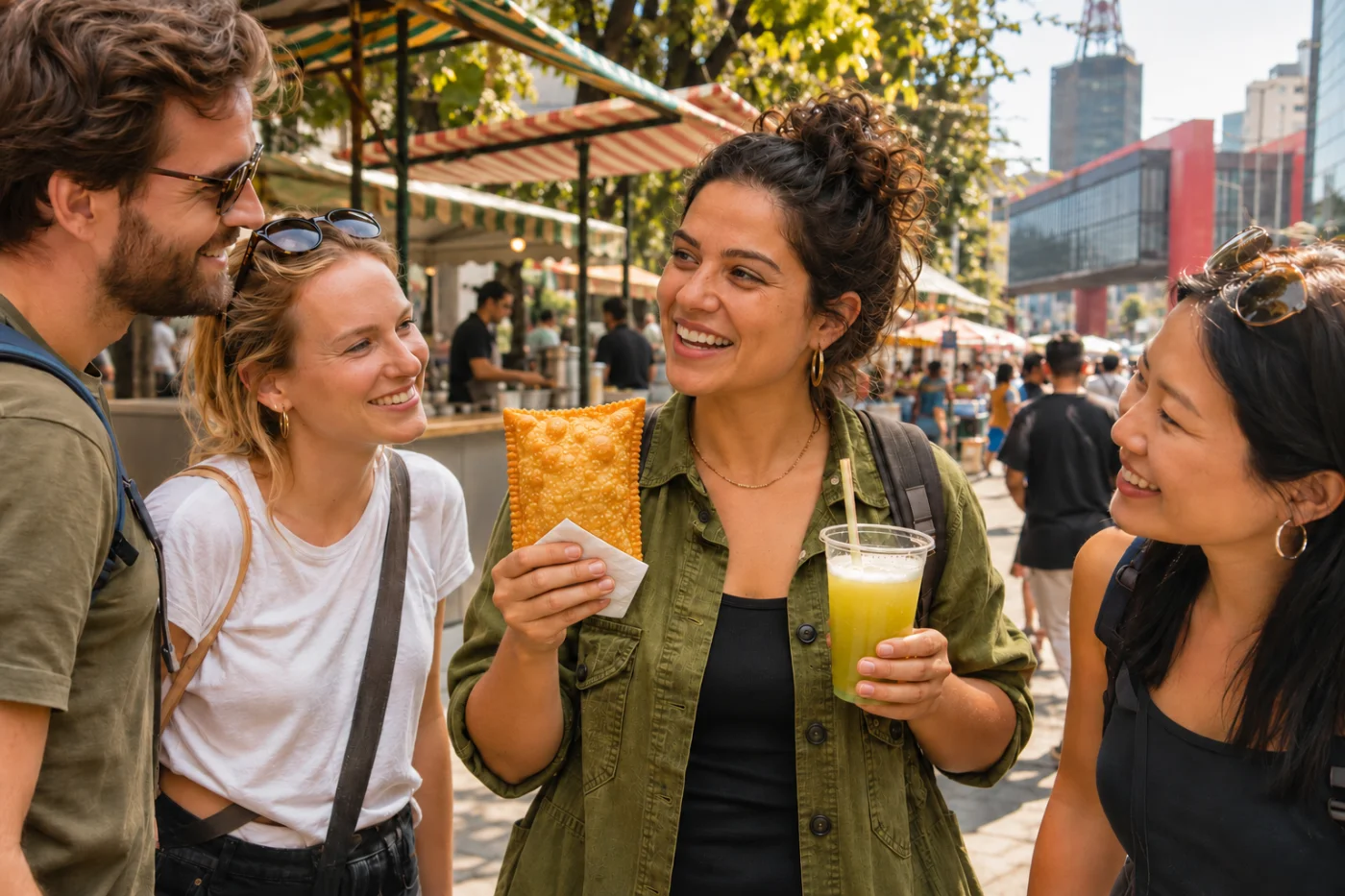

São Paulo Street Food Tour: Taste the City Like a Local
# São Paulo Street Food Tour: Taste the City Like a Local **Discover São Paulo one bite at a time in a small-group experience!** Join us on a delicious journey through the streets of Brazil's largest city, where every snack, sweet, and drink has a story to tell. Designed for a small group, this experience offers a more personal and relaxed way to explore São Paulo, connect with fellow travelers, and discover authentic Brazilian flavors. Led by a local guide, you'll go beyond the typical tourist spots to discover the foods Brazilians grow up with and enjoy every day. **Taste some of Brazil's most beloved specialties:** - **Pastel & Sugarcane Juice** – A crispy, freshly fried pastry paired with refreshing sugarcane juice, a classic Brazilian street food combination. - **Coxinha** – Brazil's famous crispy chicken croquette, a favorite at local bakeries and snack bars. - **Pão de Queijo** – Warm, soft Brazilian cheese bread with an irresistible cheesy flavor. - **Brigadeiro & Quindim** – Two traditional Brazilian sweets, one made with chocolate and condensed milk, the other with coconut and egg yolks. - **Açaí & Cupuaçu Juice** – Discover two unique Amazonian fruits and their tropical flavors. - **Guaraná Soda** – Try Brazil's iconic soft drink, made with the flavor of the Amazonian guaraná fruit. - **Brazilian Coffee** – Experience Brazil's rich coffee culture and discover its importance to São Paulo's history. - **Exotic & Seasonal Brazilian Fruits** – Discover Brazil's incredible fruit diversity with a tasting of fresh fruits such as caju (cashew apple), jabuticaba (Brazilian grape), atemoya, and guava, along with other seasonal surprises. Depending on availability, you'll get to experience unique textures, aromas, and flavors rarely found outside Brazil. **More than just a food tour** Along the way, explore lively streets, traditional bakeries, local markets, and hidden food spots while learning about the cultural influences that shaped Brazilian cuisine. Discover how Indigenous traditions, African heritage, Portuguese influences, and generations of immigrants helped create São Paulo's unique food culture. With a small group, there's more time to ask questions, share discoveries, interact with your guide, and enjoy each tasting without feeling rushed. Whether you're a curious foodie, a solo traveler, or simply want to experience the real Brazil, this tour is the perfect introduction to São Paulo's flavors and traditions. **Come hungry, leave happy, and experience São Paulo like a local!** *Food and fruit selections may vary depending on seasonal availability and the establishments visited.*