
Do I Need Cash in Brazil? Cards, Pix and Money Tips for Tourists
Brazil is one of the most cashless countries in the world. Here is how to pay like a local: when your card works, what Pix is, how tourists can use it, and how much cash you really need.
- brazil
- money
- pix
- travel-tips
- first-time-visitors
- sao-paulo
- rio-de-janeiro
- guided-tours
Short answer: not much. Brazil is one of the most digital-payment-friendly countries in the world. In São Paulo or Rio you can tap your card for a coffee, a metro ride, a museum ticket and even a coconut on the beach.
But Brazilians have a favourite way to pay that most visitors have never heard of: Pix. Here is how money works in Brazil, how tourists can use Pix, and how much cash is worth having in your pocket.
Your card works almost everywhere
Visa and Mastercard are accepted in hotels, restaurants, bars, shops, supermarkets, pharmacies and most taxis in Brazilian cities. Contactless is the norm: just look for the tap symbol on the card machine, or pay with Apple Pay or Google Pay.
A few tips:
- Choose "crédito" (credit) when the machine asks. Foreign debit cards are often processed as credit anyway.
- Pay in reais (BRL), not in your home currency, if the machine offers the choice. Your bank's exchange rate is almost always better.
- American Express is accepted in fewer places. Bring a Visa or Mastercard as your main card.
- A travel card (Wise, Revolut and similar) with low foreign fees saves money on a long trip.
- The waiter brings the machine to you. In Brazil your card never leaves your sight, which is a nice habit.
What is Pix?
Pix is Brazil's instant payment system, created by the Central Bank. It is free, works 24/7 and has become the way Brazilians pay for almost everything: splitting a dinner bill, paying a street vendor, buying an açaí at a kiosk.
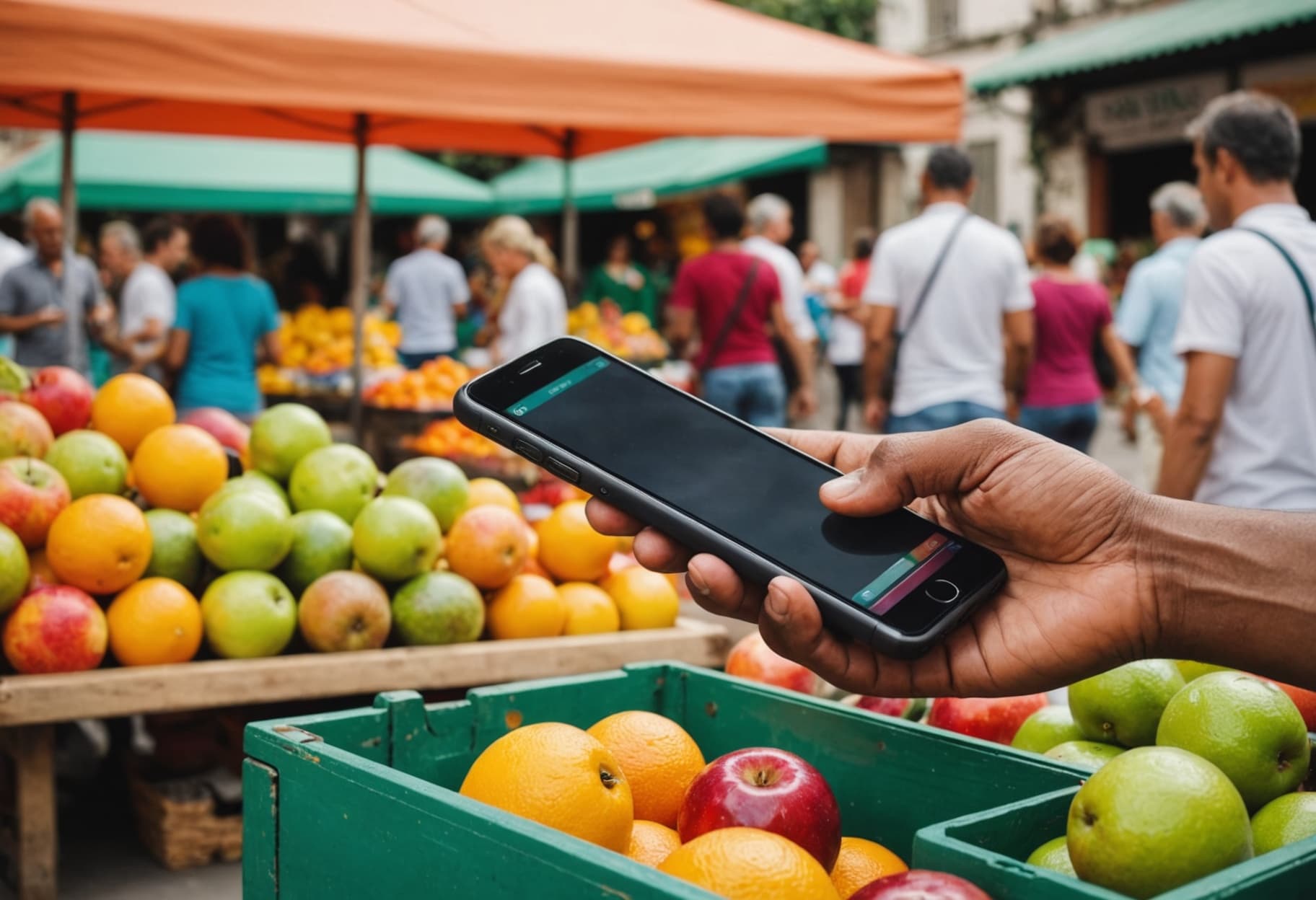
It works with a QR code. The seller shows a code on their screen or on a little sign at the counter, the customer scans it with their phone, and the money arrives in seconds.
You will see "Pix" signs everywhere, and some small businesses even offer a small discount for paying by Pix, because it costs them less than a card.
Can tourists use Pix?
Yes, more and more. A regular Pix account needs a Brazilian bank account and a CPF (the Brazilian tax ID number), which most visitors do not have. But a new generation of travel payment apps lets foreigners scan and pay Pix QR codes with a foreign balance, usually after a quick passport check. You top up in dollars or euros, scan the QR, see the amount in reais and confirm.
Before you rely on one:
- Set it up before you fly, as identity checks can take a little time.
- Compare the exchange rate and fees with your travel card.
- Always check the name and amount on screen before you confirm, just like a local would.
Do you need Pix? Not really. Your contactless card covers almost everything. Pix is a handy extra for small vendors and markets, and a fun way to pay like a local.
Tip: at the checkout you may hear "CPF na nota?" ("Your CPF on the receipt?"). As a tourist, just say "Não, obrigado" (or obrigada) and carry on.
So, how much cash do I need?
A little. Having around R$100 to R$200 in small notes is plenty for most city trips. Cash is useful for:
- Small street vendors and some beach sellers
- Local markets and food stalls
- Tips for small services
- Smaller towns, islands and rural areas, where card machines can be less common or the signal weaker
- A backup if your phone battery dies
Large notes like R$100 or R$200 can be hard to break at small stalls, so ask for R$10, R$20 and R$50 notes when you can.
ATMs and changing money
- Use ATMs inside banks, shopping malls, supermarkets or the airport, during the day. Banco24Horas, Bradesco, Itaú and Banco do Brasil machines usually accept foreign cards.
- Decline the "conversion" offer at the ATM and let your own bank convert the money.
- Skip airport exchange counters if you can. Their rates are usually much worse than an ATM.
- Withdraw a sensible amount once, rather than small amounts many times, to save on fees.
Getting around without cash
- Uber and 99 (the local ride app) are paid in the app with your card.
- Metro, trains and many buses in São Paulo and Rio accept contactless card payment at the turnstile.
- Taxis in big cities usually take cards. Ask the driver before you start, just in case.
Tipping in Brazil
Restaurants usually add a 10% service charge (serviço) to the bill. It is optional but customary, and you can pay it by card. Beyond that, tipping is not expected. Rounding up for good service is always appreciated.
The bottom line
Bring a contactless Visa or Mastercard, keep a little cash in small notes, and consider a Pix app if you like to pay like a local. That is all you need to enjoy Brazil without thinking about money.
And on Vamos, your tours are booked and paid online, so you can spend the day exploring with a local guide instead of looking for an ATM.
Payment apps, fees and rules change. Check the latest details with your bank or app before you travel.
Comments
Loading comments...
Related Stories
Caipirinha in São Paulo: Where It Was Born, How to Order It, and Where to Drink the Best
Brazil's national cocktail most likely started in the countryside of São Paulo state. Here is its story, how to order it like a local, and the bars where the city pours it best.
7 min read
Açaí in São Paulo: What It Is, How Locals Eat It, and Where to Try It
Thick, cold, purple and nothing like the smoothie bowl back home. Here is how açaí became a São Paulo habit, how to order it, and where to try it.
6 min read
How Dangerous Is São Paulo? An Honest Guide
Is São Paulo dangerous for tourists? The honest answer: far less than its reputation, if you know where to go, what to watch for, and how to move around.
8 min read
Explore São Paulo
Browse by category
Guided tours
Led by hosts who live here · São Paulo
São Paulo Downtown Walking Tour. Optional Food Stops
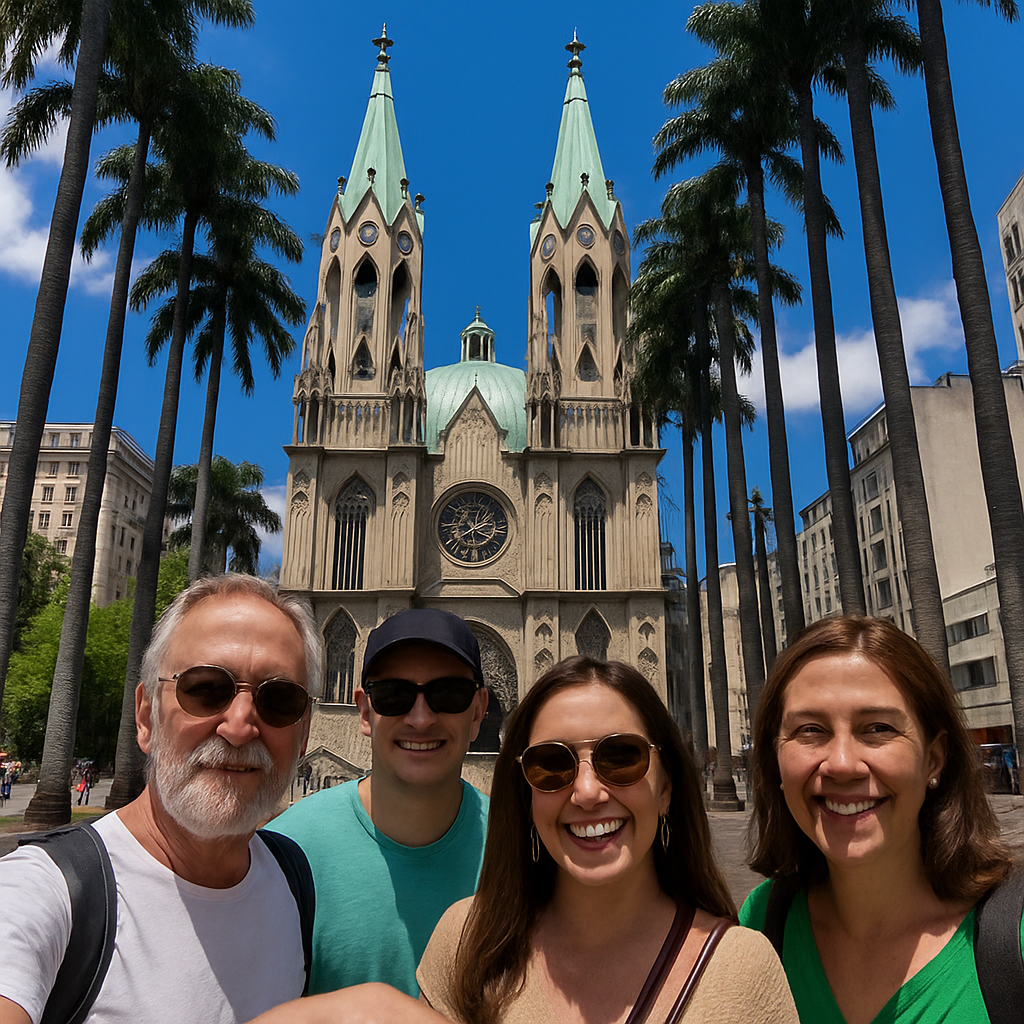
Dive into São Paulo’s city center (private or group tour), savor a variety of local foods, discover hidden gems, and explore iconic landmarks with a friendly, certified local guide by your side! Certified Tour Guide – CADASTUR - Brazil Olá! I’m Thiago, born and raised in São Paulo. It would be a pleasure to welcome you to my city and show you the best of São Paulo through the eyes of a local. This is more than just a walking tour — it’s a deep, authentic dive into São Paulo’s culture, food, history, and street life, with real stories and hidden corners you won’t find in any guidebook. I’ll make sure your experience is fun, flexible, safe, and unforgettable. What Makes This Tour Special: - A flexible, relaxed experience tailored to your interests - Safety first: We’ll stick to well-known areas, avoid risky zones, and I’ll guide you every step of the way How It Works: Private: I can pick you up at the hotel on foot if it's close to a metro station, and then we can take the metro together to the first stop. Otherwise, I kindly ask that you take an Uber to the meeting point - MASP on Paulista Ave. We’ll taste some of the most delicious local foods and drinks in Brazil, with a variety of options to choose from, such as: - a refreshing and delicious cupuaçu juice from the Amazon - pastel with sugarcane juice, São Paulo’s favorite combo - chicken coxinha with catupiry and a brigadeiro for dessert - a variety of fresh tropical fruits to sample - the famous mortadella sandwich with a local beer - peanut paçoca - or even a traditional everyday meal like rice, beans, and meat. Food and drink costs are not included, so you’ll be free to choose whatever you’d like along the way. We’ll explore must-see attractions and historic sites: - Japan Town - Liberdade. The largest Japanese community outside Japan - The impressive Sé Cathedral and surrounding historical landmarks - Pátio do Colégio – the exact spot where São Paulo was founded - The financial district and the São Paulo Stock Exchange - The Santander Lighthouse observatory for breathtaking city views (closed on mondays) - The energetic and chaotic March 25 Street Market — a local favorite for bargains and people-watching - Charming colonial architecture, lively street scenes, and plenty of photo opportunities - A stop at the iconic Municipal Market to try famous foods And many other possibilities along the way. The itinerary may change depending on the day, due to weather or local conditions such as construction and other unforeseen factors. Type: Walking tour with subway transport (optional) Safety: Guided route through safe areas; local guide support at all times Best for: First-time visitors, food lovers, history buffs, photographers This tour will give you real local insight, great food, and memorable stories, all with comfort and security. The experience is flexible, relaxed, and fun, with no rush and no stress. Just bring your curiosity, a camera, and your appetite — and let’s explore the best of São Paulo together!
Vamoslocal Original
Designed by Vamoslocal, led by local guides
São Paulo: Private Downtown Walk, Liberdade & Market
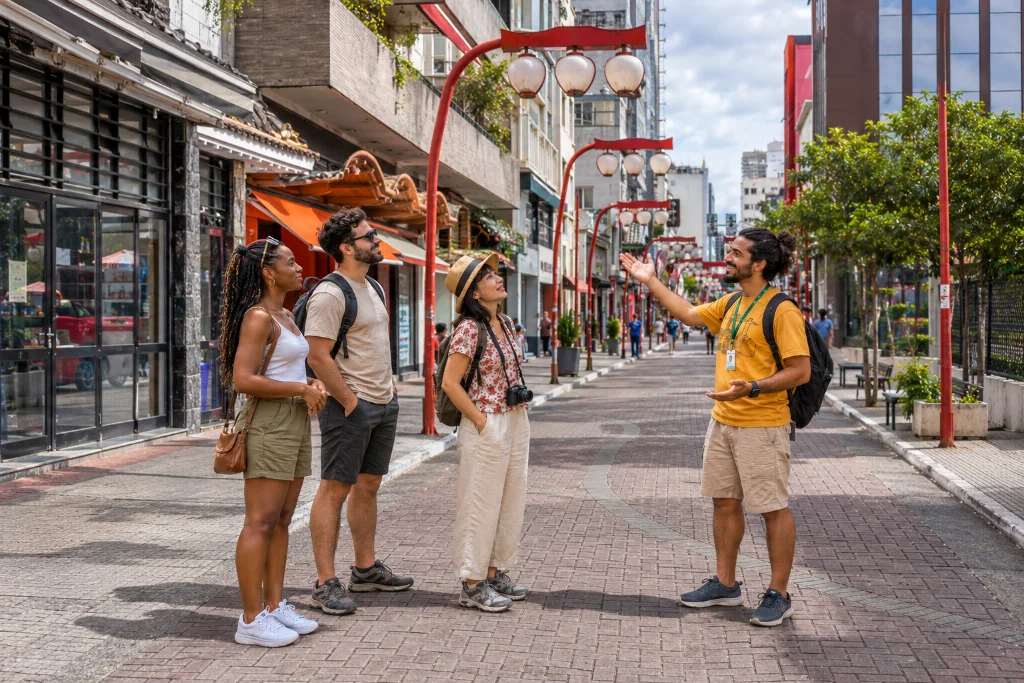
Discover São Paulo’s historic centre with a private local guide, starting at MASP on Avenida Paulista and finishing with local flavours at the Municipal Market. Meet your guide in the open area beneath MASP and travel together by metro to Liberdade, São Paulo’s Japan Town. Explore its distinctive streets, discover its cultural influences and hear stories about the neighbourhood’s history and everyday life. Continue on foot through the historic centre, visiting landmarks such as Sé Cathedral, Pátio do Colégio, Vale do Anhangabaú and the Municipal Theatre. Your guide will reveal architectural details and connect the city’s origins with the people and transformations that shaped São Paulo today. Walk through the São Bento area before reaching the Municipal Market. Here, your guide will introduce the food options and recommend places to try a mortadella sandwich, pastel or other local flavours, purchased separately. The tour finishes at the market, where you can stay for lunch and explore independently. Before saying goodbye, your guide can explain a suitable Uber pickup point for your onward journey. This private experience lasts approximately three to four hours and includes your local guide. Metro tickets, food, drinks, paid attraction tickets and return transport are not included. Metro tickets and most additional purchases can be paid by credit card, although acceptance varies by vendor. Interior visits depend on opening hours and access.
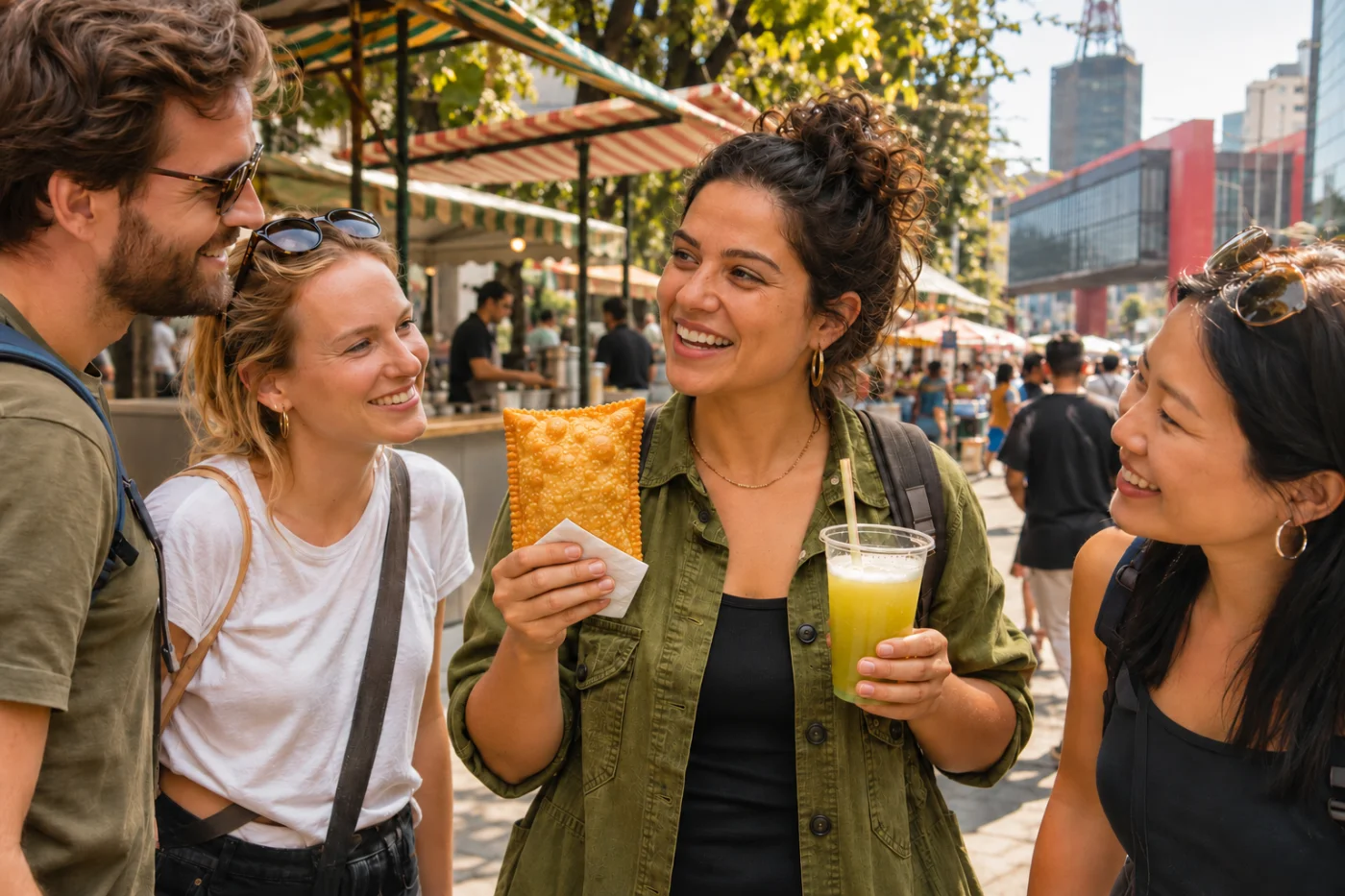

São Paulo Street Food Tour: Taste the City Like a Local
# São Paulo Street Food Tour: Taste the City Like a Local **Discover São Paulo one bite at a time in a small-group experience!** Join us on a delicious journey through the streets of Brazil's largest city, where every snack, sweet, and drink has a story to tell. Designed for a small group, this experience offers a more personal and relaxed way to explore São Paulo, connect with fellow travelers, and discover authentic Brazilian flavors. Led by a local guide, you'll go beyond the typical tourist spots to discover the foods Brazilians grow up with and enjoy every day. **Taste some of Brazil's most beloved specialties:** - **Pastel & Sugarcane Juice** – A crispy, freshly fried pastry paired with refreshing sugarcane juice, a classic Brazilian street food combination. - **Coxinha** – Brazil's famous crispy chicken croquette, a favorite at local bakeries and snack bars. - **Pão de Queijo** – Warm, soft Brazilian cheese bread with an irresistible cheesy flavor. - **Brigadeiro & Quindim** – Two traditional Brazilian sweets, one made with chocolate and condensed milk, the other with coconut and egg yolks. - **Açaí & Cupuaçu Juice** – Discover two unique Amazonian fruits and their tropical flavors. - **Guaraná Soda** – Try Brazil's iconic soft drink, made with the flavor of the Amazonian guaraná fruit. - **Brazilian Coffee** – Experience Brazil's rich coffee culture and discover its importance to São Paulo's history. - **Exotic & Seasonal Brazilian Fruits** – Discover Brazil's incredible fruit diversity with a tasting of fresh fruits such as caju (cashew apple), jabuticaba (Brazilian grape), atemoya, and guava, along with other seasonal surprises. Depending on availability, you'll get to experience unique textures, aromas, and flavors rarely found outside Brazil. **More than just a food tour** Along the way, explore lively streets, traditional bakeries, local markets, and hidden food spots while learning about the cultural influences that shaped Brazilian cuisine. Discover how Indigenous traditions, African heritage, Portuguese influences, and generations of immigrants helped create São Paulo's unique food culture. With a small group, there's more time to ask questions, share discoveries, interact with your guide, and enjoy each tasting without feeling rushed. Whether you're a curious foodie, a solo traveler, or simply want to experience the real Brazil, this tour is the perfect introduction to São Paulo's flavors and traditions. **Come hungry, leave happy, and experience São Paulo like a local!** *Food and fruit selections may vary depending on seasonal availability and the establishments visited.*